Saint James
Paynes Bay (turtle snorkelling)
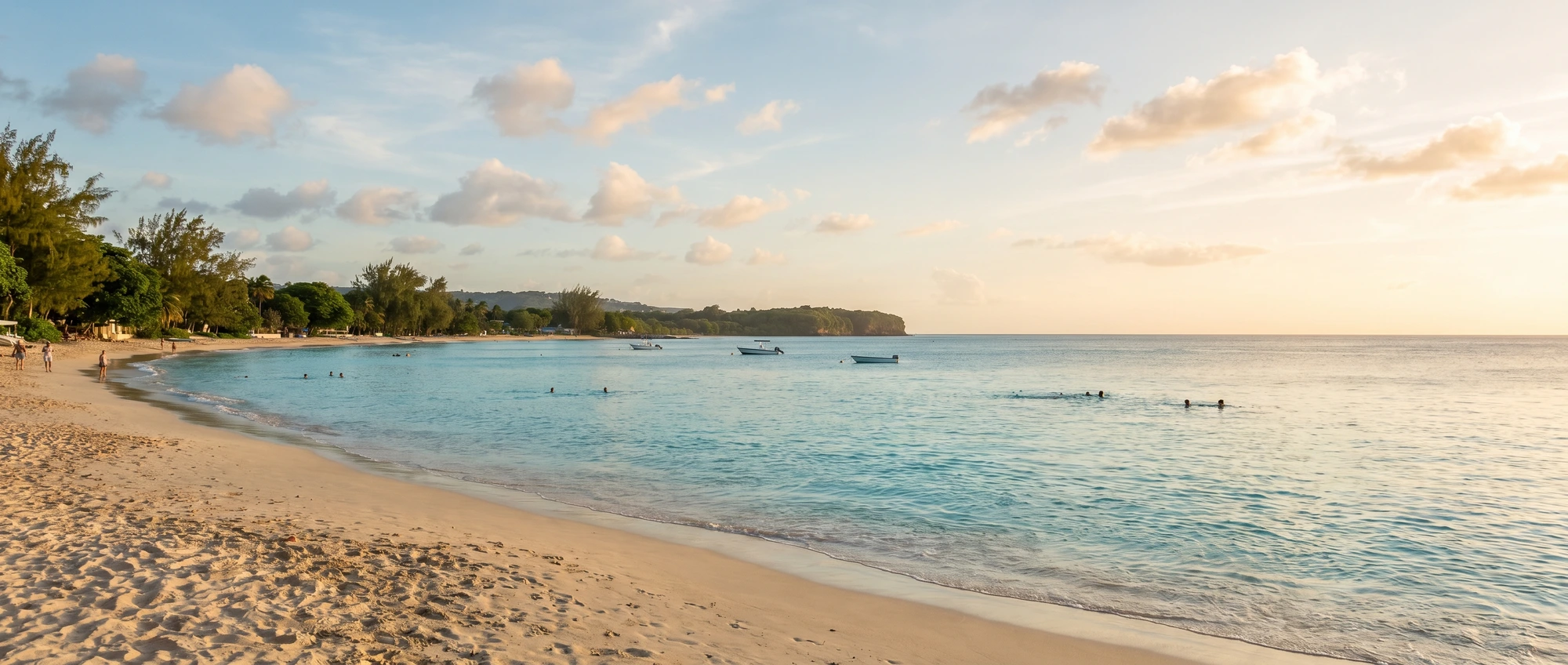
A west-coast bay known for turtle snorkelling; check sea conditions and local advice before entering — when to go and how to do it without a boat.
Where
Holetown, Barbados
Opening hours
Check the signed beach approach, current local access and sea conditions before visiting. A boat or guided swim needs its own confirmed departure, supervision and return; turtle sightings and a calm-water window are not guaranteed by a time of day.
Tickets
Free from the shore — no ticket needed to swim or snorkel off the sand, and Barbados beaches are public by law. You only pay if you join a catamaran or boat turtle tour, or hire sun loungers from a beachfront bar.
Time needed
An hour or two: a morning swim and snorkel, longer if you settle in for the day on the sand.
In short
Visiting Paynes Bay (turtle snorkelling)
Paynes Bay is a west-coast bay known for turtle snorkelling, with shore access as well as boat trips. Conditions and visibility vary; currents can be deceptively strong even on this coast. Go early, before the catamarans arrive and churn the sand up, and bring your own mask and fins. Free from the shore, with public access points between the beachfront hotels.
Turtles off the sand
Paynes Bay is a west-coast beach known for green-turtle snorkelling from shore and boat trips. Wildlife sightings are not guaranteed. Currents can be deceptively strong on west-coast beaches too: check current local advice, boat traffic and swimming supervision before entering, and keep a respectful distance from wildlife.
Crucially, this works for free. Barbados beaches are public below the high-water mark, and there are marked access paths between the beachfront hotels, so you don’t need to pay a tour or stay at a particular resort to reach the sand.
Going early, and doing it well
The one piece of advice that makes or breaks the experience is timing. Get in soon after sunrise. From mid-morning the catamaran day-trips anchor in the bay, dozens of swimmers churn up the sandy bottom, and the visibility drops while the turtles get crowded. Early, the water is glassy and you may have a turtle more or less to yourself.
Bring your own mask, snorkel and fins if you can — relying on hiring locally is hit and miss. Be sensible around the turtles: look, don’t touch, don’t chase or stand on the seagrass, and keep your fins clear of them. The middle of the bay sees boat and jet-ski traffic, so stay near the marked swim zones and keep an eye out when you surface. Pair it with a coffee from one of the beach bars afterwards and it’s an easy, free morning.
Check the signed beach approach, current local access and sea conditions before visiting. A boat or guided swim needs its own confirmed departure, supervision and return; turtle sightings and a calm-water window are not guaranteed by a time of day.
Planning the rest of your trip? See the Holetown city guide.