
In short
Is Bulgaria a good holiday for UK travellers?
Yes — it's the cheapest country in the EU, so a beer is about €1.50 and a week costs a fraction of Spain or Greece. Flights are ~3 hours, there's no visa for a holiday, and one country gives you Bansko skiing in winter, the Black Sea in summer and a Sofia–Plovdiv culture loop year-round.
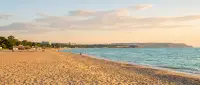
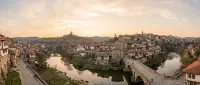
Bulgaria is three different holidays under one flag, and the cheapest version of each in the EU. In winter, Bansko delivers some of Europe’s best-value skiing, with lift passes and après a fraction of Alpine prices. In summer, the Black Sea coast — Sunny Beach, Golden Sands, the quieter old town of Sozopol — fills with sun-seekers paying very little for it. And year-round there’s the culture loop: Sofia, the Roman city of Plovdiv, and medieval Veliko Tarnovo. Two things have changed the practical picture recently and both help UK travellers: Bulgaria fully joined the Schengen area at its land borders in January 2025, and it switched to the euro on 1 January 2026. Below is what each part of the country suits, what it costs, and the entry rules straight from GOV.UK.
The short version
- Pick the trip first: ski Bansko, beach the Black Sea, or loop Sofia–Plovdiv–Veliko Tarnovo — don't try to mix mountains and coast in a week.
- It's the cheapest country in the EU, so your money goes much further than in Spain, Greece or Italy.
- Bulgaria now uses the euro (since 1 January 2026) — the old lev confusion is gone.
- Use only licensed yellow taxis or an app — GOV.UK flags repeated taxi scams at Sofia airport and Sunny Beach.
- Sofia airport sits on metro Line 4: €0.80 and ~18 minutes to the city centre.
Entry requirements for UK travellers
In short
Do UK citizens need a visa for Bulgaria?
No. British citizens can visit Bulgaria visa-free for up to 90 days in any 180-day period for tourism, family visits or business (GOV.UK). Bulgaria is in the Schengen area, so that 90/180 limit is shared across all Schengen countries. Your passport must be issued less than 10 years before you arrive and valid for at least 3 months after you leave Schengen. Rules can change — confirm on GOV.UK before you travel.
There’s very little paperwork for a Bulgarian holiday: no visa, and a passport that clears two Schengen checks. The one that catches UK travellers out is the issue date — your passport has to have been issued less than 10 years before you arrive, which an older “ten-year-plus” passport can fail even when its expiry date still looks fine. Bulgaria joined Schengen at its land borders in January 2025, so arriving from another Schengen country no longer means a routine passport check, but border officers can still ask to see proof of onward travel, insurance, funds and where you’re staying. You must declare cash of €10,000 or more (GOV.UK).
Key points before you book
- No visa for stays up to 90 days in any 180-day period across Schengen (GOV.UK).
- Passport: issued under 10 years before arrival and valid 3+ months after you leave Schengen (GOV.UK).
- Carry a free UK GHIC for state healthcare plus travel insurance — the GHIC won't repatriate you or cover private clinics (GOV.UK).
- Border officers can ask for proof of onward travel, insurance, funds and accommodation (GOV.UK).
- Declare cash of €10,000 or more (GOV.UK).
- Always carry ID — a printed copy of your passport photo page is fine; drug penalties are severe (GOV.UK).
- Use licensed yellow taxis or an app, not cars touting outside hotels and the airport (GOV.UK).
- Emergency number across Bulgaria is 112 (GOV.UK).
Passport validity
Your passport must have been issued less than 10 years before the day you arrive, and be valid for at least 3 months after the day you plan to leave the Schengen area. Check the issue date, not just the expiry — an old 'ten-year-plus' passport can fail even if it still looks in date (GOV.UK).
Visas
No visa for a holiday. Bulgaria is in the Schengen area, so you can travel visa-free for up to 90 days in any 180-day period for tourism, visiting family, business meetings or short-term study. Overstaying can get you banned from Schengen countries for up to 3 years. Working or staying longer needs separate permission (GOV.UK).
Health
A free UK GHIC (or valid EHIC) covers medically necessary state healthcare in Bulgaria on the same basis as a local, but GOV.UK is explicit it is not a substitute for travel insurance: it won't cover repatriation to the UK, treatment in a private clinic — where most expats and many tourists actually end up — or non-urgent care. Bulgaria's state hospitals are functional but at the lower end of EU investment, so carry both the GHIC and insurance. No vaccinations are required; check TravelHealthPro for recommendations at least 8 weeks ahead.
Safety & security
Bulgaria is generally safe and violent crime against tourists is rare. GOV.UK flags a high threat of terrorist attack globally, and the main day-to-day risks are pickpocketing and bag theft in tourist areas, on buses and trains; nightclub overcharging scams in resorts that can run to hundreds of pounds; and taxi scams — there are regular reports of robberies and threatening behaviour by drivers around Sunny Beach, plus airport taxis charging many times the metered fare. Avalanches are a risk in the ski areas off-piste in winter. Rules can change — confirm on GOV.UK before you travel.
Local laws & customs
Always carry ID — a printed copy of your passport photo page is acceptable (GOV.UK). Illegal drugs, including cannabis, carry severe penalties: expect a long jail sentence and heavy fines. Drunken, disorderly behaviour and hooliganism may be treated more seriously than in the UK. Avoid taxis parked outside hotels and tourist spots; use licensed yellow operators or an app instead (GOV.UK).
GOV.UK is the official source for Bulgaria entry rules — always check it before you book.
Read GOV.UK adviceGOV.UK updated 10 Apr 2026 · Departly checked 9 Jun 2026
EU entry rules for Bulgaria
Checked 6 Jun 2026The EU's biometric Entry/Exit System (EES) began a progressive rollout on 12 October 2025 and became fully operational on 10 April 2026: on your first trip since then you give fingerprints and a facial scan at the border (a one-off, valid 3 years), and the 90-days-in-180 limit is now counted automatically. Some countries may still ease or pause checks at busy crossings during the rollout-flexibility window, so queues vary. ETIAS — a separate €20 travel authorisation (free for under-18s and over-70s, valid 3 years) — is expected in late 2026 and is not required yet. Always confirm on GOV.UK before you book.
- 90/180 rule
- Visa-free stays of up to 90 days in any 180-day period across the Schengen area. Days spent in other Schengen countries count towards the total.
- Passport
- Issued less than 10 years before the day you arrive, and valid for at least 3 months after you plan to leave the Schengen area. Check the issue date, not just the expiry.
- GHIC
- Carry a free UK GHIC for state healthcare on the same basis as a local — but it is not a substitute for travel insurance, which you still need.
- Roaming
- Post-Brexit, EU roaming is no longer guaranteed free; many UK networks charge around £2.25/day. Check your tariff or use a travel eSIM.
On health, carry a free UK GHIC (or valid EHIC): it gets you medically necessary state healthcare in Bulgaria on the same terms as a local. But GOV.UK is blunt that it is not a substitute for travel insurance — it won’t fly you home, won’t cover a private clinic (where many tourists end up, as Bulgaria’s state hospitals sit at the lower end of EU investment), and won’t pay for cancellation or lost bags. Carry both, and never pay a third-party website for a GHIC; it’s free from the NHS. Rules can change — confirm on GOV.UK before you travel.
Flights from the UK
In short
How long is the flight to Bulgaria from the UK?
About 3 hours 10 minutes to Sofia, and ~3h15–3h30 to the Black Sea airports of Burgas and Varna in summer. Sofia flies year-round, mainly on Wizz Air from Luton and Ryanair from Stansted, with British Airways from Heathrow. Burgas and Varna are summer-only, served by easyJet, Jet2, Ryanair, Wizz and TUI.
The airport you book matters more here than for most countries. Sofia runs all year and is where you fly for the cities and for Bansko (a ~2h30 transfer away). For a beach week, fly straight into Burgas — for Sunny Beach and Nessebar — or Varna for Golden Sands and the northern coast, both summer-only. Booking Sofia and then driving to the coast wastes a long transfer. Off-peak Wizz and Ryanair fares to Sofia dip under £60 return; the levers that push prices up are the summer beach season and the December–March ski season.
Flights from the UK
Short/medium-haulSofia runs year-round, dominated by Wizz Air from Luton and Ryanair from Stansted, with British Airways from Heathrow and seasonal routes from Manchester, Birmingham, Bristol, Gatwick and Edinburgh. Burgas and Varna are summer-only coastal airports served by easyJet, Jet2, Ryanair, Wizz and TUI — book the airport nearest your resort, not just Sofia.
Fly from
Main arrival airports
- SOF Sofia (the capital; year-round)
- BOJ Burgas (Sunny Beach, Nessebar; summer only)
- VAR Varna (Golden Sands, northern coast; summer only)
- PDV Plovdiv (limited seasonal flights)
When to go
In short
When is the best time to visit Bulgaria?
It depends on the trip. For Sofia, Plovdiv and the culture loop, go May–June or September for warm days and fewer crowds. For the Black Sea, July–August is warmest but busiest — late June and early September are quieter and still beach-warm. For skiing Bansko, January–March, peaking in February.
When to go
Sweet spot: It depends on the trip. For Sofia, Plovdiv and the culture loop, May–June and September are ideal — 18–26°C, fewer crowds and lower prices. For the Black Sea, July and August are warmest (26–30°C and sea-warm) but busiest; late June and early September are quieter and still beach-warm. For skiing in Bansko, January–March has the most reliable snow, with February the peak.
Sofia and the interior get genuinely cold and snowy December–February — good for a city break paired with Bansko, less so for sightseeing. Spring and autumn are the sweet spot inland. The Black Sea season is short and intense: resorts spring to life mid-June, peak in July–August when prices and crowds are highest, and largely shut down by October. Many coastal hotels and restaurants close entirely out of season, so a winter trip to Sunny Beach means a ghost town.
Bulgaria has no single best season — it has the right season for each trip. The interior and Sofia get genuinely cold and snowy December to February, which is perfect if you’re pairing a city break with Bansko but poor for general sightseeing; spring and autumn are the inland sweet spot. The Black Sea season is short and sharp: resorts wake up in mid-June, peak in July and August, and largely shut down by October, with many coastal hotels and restaurants closing entirely out of season. Turning up at Sunny Beach in winter means a ghost town.
What it costs
In short
How much does a week in Bulgaria cost from the UK?
Less than almost anywhere in Europe — Bulgaria is the cheapest country in the EU. Budget on roughly £550–£650 per person for a week, around £900–£1,100 mid-range including flights. On the ground, budget travellers manage £30–£45 a day, mid-range £70–£100. Off-peak return flights to Sofia run as low as £30–£70.
What it costs
UK return flights to Sofia run from about £30–£70 off-peak on Wizz or Ryanair booked ahead, £90–£180 in school holidays or at short notice, and £200+ on British Airways at busy times. Summer flights to Burgas and Varna for the coast are typically £80–£200 return, peaking in July and August. The ski season (December–March) lifts Sofia fares too.
Daily budget per person
| Three-course lunch for one, mid-range restaurant | €10–€15 / £9–£13 |
|---|---|
| Draught beer (half-litre) | €1.50–€2.50 / £1.30–£2.15 |
| Coffee + pastry breakfast | €2–€4 / £1.70–£3.40 |
| Sofia metro/transport single | €0.80 / £0.70 |
| Sofia airport → centre by metro (Line 4) | €0.80 / £0.70 |
| Sofia airport → centre, official yellow taxi | €9–€11 / £8–£9.50 |
| Sofia–Plovdiv bus (~2h) | €8–€12 / £7–£10 |
| Hostel dorm bed per night | €12–€18 / £10–£15 |
Bulgaria is consistently the cheapest country in the EU, so the day-to-day numbers below are genuinely low. The euro switch on 1 January 2026 fixed prices at 1.95583 lev = €1; watch for the odd retailer rounding up, which Bulgaria's consumer authorities have been policing.
The figures above use €1 = £0.86 (June 2026), and they’re genuinely low because Bulgaria is consistently the cheapest country in the EU. A draught beer is about £1.30–£2.15, a three-course lunch under £15, and a hostel bed £10–£15. The one thing to watch after the euro switch is the occasional retailer rounding prices up — Bulgaria’s consumer authorities have been policing it, but check your change. Otherwise your money simply goes much further here than in Spain or Greece.
A realistic first itinerary
Bulgaria splits cleanly by season, so the first decision is what kind of trip you want, not which towns to tick off. This 10-day version is the year-round culture loop — Sofia, Plovdiv and Veliko Tarnovo — done by bus and train without a hire car. For a summer beach week, fly straight into Burgas or Varna instead; for a ski week, fly to Sofia and transfer to Bansko. Distances are short and intercity buses are cheap and frequent, so resist cramming the coast and the mountains into the same week.- 1Days 1–3
Sofia
The Alexander Nevsky Cathedral, the St George Rotunda, the Roman Serdica ruins under the metro, and the cafés of Vitosha Boulevard. Use the cheap metro from the airport, and take the lift up Vitosha mountain on a clear day for the view over the city.
- 2Day 4
Bus to Plovdiv (~2h)
Swap the capital for Bulgaria's oldest city — frequent buses run from Sofia's central station for €8–€12, no hire car needed.
- 3Days 4–6
Plovdiv
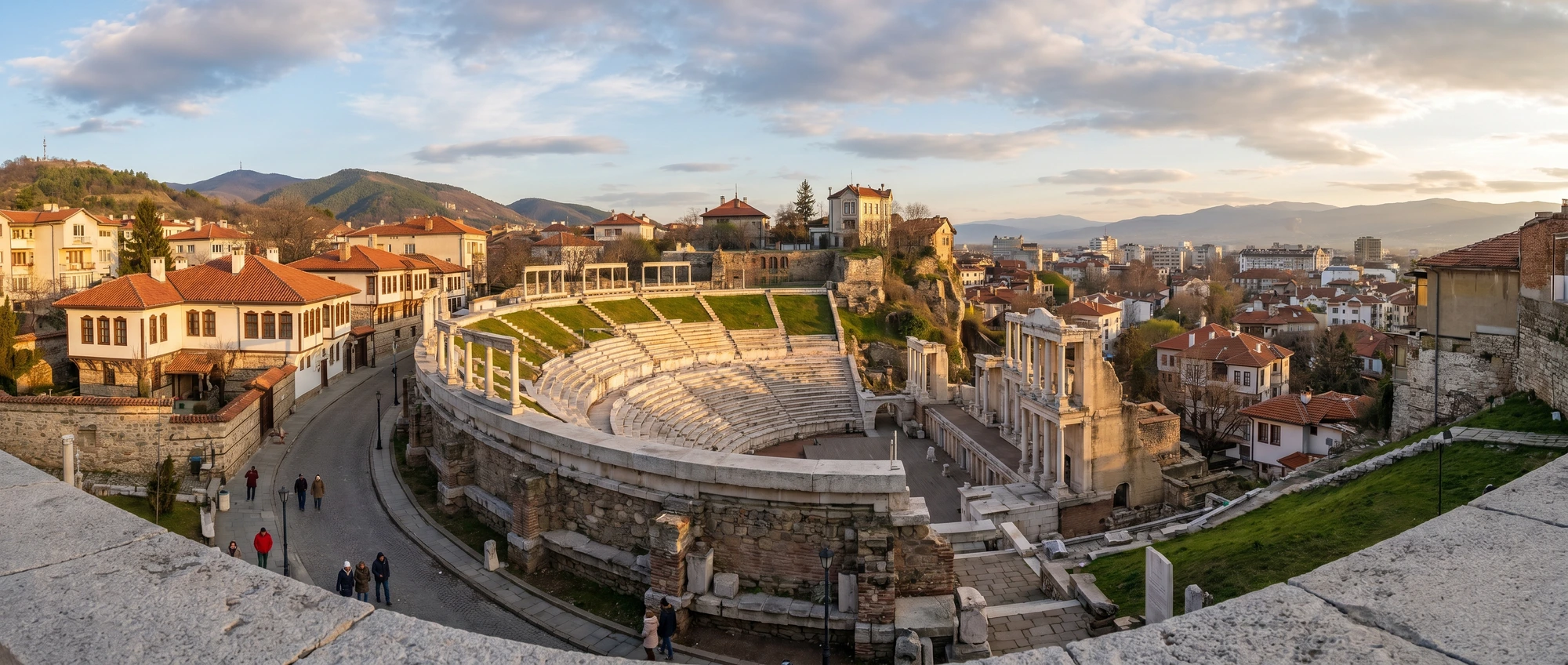
The Roman theatre that still hosts concerts, the painted Revival-era houses of the cobbled Old Town, and the Kapana creative quarter for evenings. One of Europe's oldest continuously inhabited cities, and walkable end to end.
- 4Day 7
Travel to Veliko Tarnovo (~3–4h)
Head north to the medieval capital, set on a gorge. Buses run via Sofia or direct depending on the day; check schedules the night before.
- 5Days 7–10
Veliko Tarnovo
The Tsarevets fortress and its sound-and-light show, the Samovodska Charshia craft street, and a half-day trip to the Renaissance houses of Arbanasi 4km away. A relaxed, photogenic finish before the bus or train back to Sofia for your flight.
That’s the year-round culture loop, done by bus and train without a hire car. If you want a beach week or a ski week instead, treat them as separate trips: fly into Burgas or Varna for the coast, or Sofia-then-Bansko for the slopes. The mistake to avoid is trying to fit the mountains, the cities and the sea into one week — the country is compact, but that’s still a transit blur, not a holiday.
Where to base yourself
In short
Where should I stay in Bulgaria for a first trip?
Sofia for a year-round city base and ski transfers, Plovdiv for the most charming city and Roman ruins, Sunny Beach or quieter Sozopol (Burgas airport) for a cheap summer beach week, Golden Sands or Varna (Varna airport) for beach plus a real city, and Bansko for budget skiing. Match the base to the season and the holiday you actually want.
Sofia
The year-round base and the cheapest European capital to fly into — cathedrals, Roman ruins under the streets, a cheap metro and Vitosha mountain on the doorstep. Stay in the centre near Vitosha Boulevard or the Serdika metro for walkable sights and quick airport access. The best launchpad for Bansko (~2h30 by transfer) and for the culture loop south to Plovdiv.
Good for: City breaks and ski transfers
Plovdiv
The most charming city in Bulgaria and an easy pair with Sofia — Roman theatre, painted Old Town houses and the Kapana bar quarter, all walkable. Cheaper and more relaxed than the capital, and a good slower base for a long weekend in its own right.
Good for: Culture and atmosphere on a budget
Sunny Beach & the southern coast (Burgas airport)
Bulgaria's biggest, brashest beach resort — long sandy beaches, very cheap food and drink, and a loud club scene that's exactly the holiday for some and a turn-off for others. For somewhere calmer, base in the old fishing town of Sozopol or the UNESCO-listed peninsula of Nessebar nearby. Skip taxis touting outside Sunny Beach hotels — GOV.UK flags repeated driver scams.
Good for: A cheap summer beach week with nightlife
Golden Sands & Varna (Varna airport)
The northern coast's resort strip, backed by forest, plus Varna itself — a real Black Sea city with a Roman baths site, a long sea garden and a younger feel than the package strips. A better base than Sunny Beach if you want a beach week with a city attached.
Good for: Beach plus a proper city
Bansko
Bulgaria's main ski resort and some of Europe's best-value skiing — lift passes, ski hire and après all cost a fraction of the Alps, with a cobbled old town at the base. The trade-off is honest: lift queues at the single gondola can be long on peak-season mornings, and snow reliability is lower than high-altitude Alpine resorts. In summer it flips to a cheap hiking base for the Pirin mountains.
Good for: Budget skiing and summer hiking
These are country-level bases — the neighbourhood-by-neighbourhood detail belongs on the individual city guides as they’re built out. The pattern that works: stay in a real city or town and travel out to the beach or the slopes, rather than basing yourself on a package strip. In Bulgaria it costs barely anything either way, so you may as well get the version with a Roman theatre or a sea garden attached.
Getting around
In short
What's the best way to get around Bulgaria?
Intercity buses — frequent, cheap and faster than the slow trains. Sofia–Plovdiv is ~2h for €8–€12. Inside Sofia, the metro and trams are €0.80 a ride, and the airport is on metro Line 4. Use only licensed yellow taxis or an app, never touting drivers. Rent a car only for the mountains or a coast road trip. Drive on the right.
Getting around Bulgaria
Bulgaria is compact and intercity buses are the backbone — frequent, cheap and faster than the slow, scenic trains for most routes. Sofia–Plovdiv is about 2 hours for €8–€12, Sofia–Varna around 7 hours by bus for ~€20. Book longer routes a day ahead in summer; shorter hops you can usually buy at the station. Inside Sofia the metro and trams are excellent value at €0.80 a ride, and the airport sits on metro Line 4 — €0.80 and ~18 minutes to the centre, versus €9–€11 in an official yellow taxi. The single rule that saves UK travellers grief: only use licensed yellow taxis with a visible meter and the company name on the door, or book via the TaxiMe app — GOV.UK warns of repeated overcharging and robbery scams, especially around the airport and Sunny Beach. Rent a car only for the Rila and Pirin mountains or a Black Sea road trip; for the Sofia–Plovdiv–Veliko Tarnovo loop, the bus is cheaper and simpler.
- Sofia airport is on metro Line 4: €0.80 and ~18 minutes to Serdika in the centre.
- Use only licensed yellow taxis with a meter, or the TaxiMe app — never cars touting outside the airport or hotels (GOV.UK).
- Intercity buses beat trains: Sofia–Plovdiv ~2h for €8–€12; Sofia–Varna ~7h for ~€20.
- Sofia city transport is a flat €0.80 a ride on metro, tram and bus.
- Book Bansko ski transfers ahead in winter — it's ~2h30 from Sofia airport.
- Skip the hire car for the culture loop; keep it for the mountains or a coast road trip.
The taxi rule is the one to internalise before you land: GOV.UK reports repeated overcharging and even robbery scams, concentrated at Sofia airport and around Sunny Beach. Use the official taxi desk inside the terminal, look for a licensed yellow car with a visible meter and the company name on the door, or book through an app like TaxiMe — and ignore anyone touting for a fare outside arrivals or your hotel.
Staying connected & covered
Most UK networks now bill around £2.25 a day to use your data in Bulgaria — roughly £15–£16 for a week — because post-Brexit EU roaming is no longer guaranteed free. Check your tariff first, and if the daily charge adds up, buy a Bulgaria eSIM that switches on the moment you land; it’s also handy when street signs and maps are in Cyrillic. The other thing to sort is cover: your GHIC and travel insurance do different jobs, and you need both — and if you’re skiing Bansko, add winter-sports cover, which standard policies exclude.
Stay connected in Bulgaria
Post-Brexit, free EU roaming is no longer guaranteed — most UK networks now charge around £2.25/day to use your allowance in Bulgaria (about £15–16 for a week). A travel eSIM is usually cheaper and gives you data the moment you land.
- Check your UK tariff first — some Three, iD and Smarty plans still include EU roaming free.
- A typical 5–10GB Bulgaria eSIM costs about £6–£10, beating a week of daily roaming charges.
- eSIMs install before you fly via a QR code on any eSIM-capable phone — handy when signs and maps are in Cyrillic.
Travel insurance for Bulgaria
A free UK GHIC gets you state healthcare in Bulgaria, but Bulgaria's public hospitals are at the lower end of EU investment, the card won't fly you home, and it won't cover the private clinics many tourists end up using. GOV.UK and the NHS both say to carry travel insurance on top.
- Single-trip European cover starts at roughly £3–£10 for a healthy younger traveller on a short trip.
- If you're skiing in Bansko, add winter-sports cover — standard policies exclude the slopes.
- Pair it with your GHIC — they cover different things, and you need both.
Money
From 1 January 2026 Bulgaria uses the euro, so the old lev-and-stotinki confusion is gone — cards, Apple Pay and Google Pay work widely in Sofia, the coast and the ski resorts, exactly as in any euro country. A cash culture lingers in village shops, markets, smaller cafés and for tipping, so carry €30–50 in small notes. Withdraw from bank-branded ATMs and avoid standalone Euronet machines, which push high fees. The rule that saves real money: when an ATM or card machine asks whether to charge in pounds or euros, always choose euros — choosing pounds triggers Dynamic Currency Conversion, a hidden markup of up to ~5%, and your own UK card or a fee-free travel card beats it. Tipping is modest: round up or leave around 10% in cash for good restaurant service.Fee-free travel money
Skip the airport exchange desk — a fee-free travel card gives you the real exchange rate abroad.
Before you fly
The Bulgaria-specific moves that save money and grief are picking the right airport (Sofia for cities and Bansko, Burgas or Varna for the coast), ordering a free GHIC before you go, and adding winter-sports cover if you’re skiing. Pre-book UK airport parking too — it’s almost always cheaper booked ahead than on the day — and set up a Bulgaria eSIM so your data works the moment you land.
Airport parking & lounges
Pre-book your UK airport parking or a lounge — it's almost always cheaper booked ahead than on the day.
How we know this
How we know this
- GOV.UK foreign travel advice — Bulgaria — entry, passport, visa, health, safety and local laws (print page)
- NHS — Global Health Insurance Card (GHIC) — the GHIC is free and is not a substitute for insurance
- Council of the EU & ECB — Bulgaria joins the euro — euro adoption on 1 January 2026 at 1.95583 lev = €1
- Sofia Airport — getting to the city — metro Line 4 and official taxi costs to the centre
GOV.UK last updated 10 Apr 2026.