Berlin (city-state)
Berlin
Base in Kreuzberg or Mitte rather than around Alexanderplatz, reserve the Reichstag dome ahead, ride the FEX in from BER, and don't try to cram the Wall, the museums and the clubs into one weekend.
Best length
3-4 nights
Airport
Berlin Brandenburg (BER), ~18km southeast of Mitte
Airport to centre
FEX train ~23 min to Hauptbahnhof; S9/S45 S-Bahn the slower option
Best base
Mitte for first-timers; Prenzlauer Berg for a calmer local base
In short
Berlin at a glance
Berlin is best as a 3- or 4-night long weekend: stay in Mitte or Prenzlauer Berg, pre-register your free Reichstag dome slot weeks ahead, ride the U-Bahn rather than taxis, and accept that the city is huge and flat — you spread your days by neighbourhood rather than ticking off a tight cluster of sights.
The short version
- Stay in Mitte for sights on foot; Prenzlauer Berg is the leafier, café-led base and Kreuzberg the one for bars and food.
- Pre-register the free Reichstag dome online weeks ahead — walk-up slots vanish and it is the one booking that catches people out.
- Berlin is spread out and flat, so plan by district: Museum Island and the centre one day, the Wall and the east another.
- Take the FEX train from BER for the simplest arrival — about 23 minutes to Hauptbahnhof for €5, not a €50 taxi.
- Three full days covers the centre, the Wall and Cold War sites, and one slower afternoon in Kreuzberg or around the lakes.
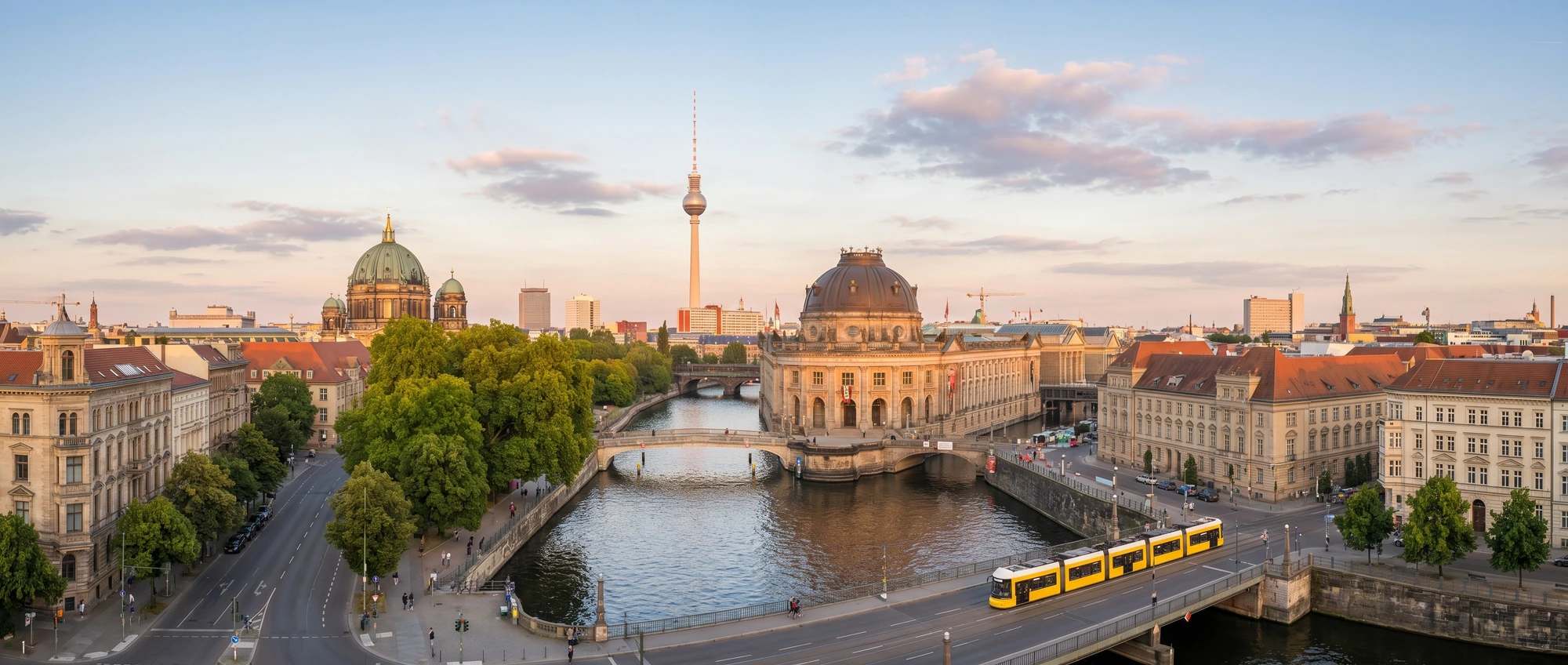
Berlin doesn’t reward the tick-list approach that works in a tighter city. It’s huge, flat and spread thin, with its weight in twentieth-century history rather than a postcard skyline — the Wall, the Reichstag, Museum Island and the Cold War scars are scattered across districts, not stacked in one old town. First-timers get caught out two ways: they under-book the one thing that genuinely needs it (the free Reichstag dome, which you register for online weeks ahead with each visitor’s name and ID details), and they over-walk, trying to cross the city on foot when the U-Bahn would have done it in ten minutes. The trick is to plan by neighbourhood and let the trains do the carrying.
Three full days is the practical minimum: one for the centre and Museum Island, one for the Wall and the east, and one slower day for Kreuzberg’s food and bars or a summer afternoon at the lakes. Berlin is also one of the cheaper big-city breaks in Europe — beds, beer and street food all undercut Munich. Below, the structured planning — where to base yourself, what to pre-register, how to get in from BER, and a realistic budget in pounds — picks up from here.
Plan your Berlin trip
Keep a first trip focused: book the big timed sights, then leave room for neighbourhoods and food.
Top things to do in Berlin
Museum Island
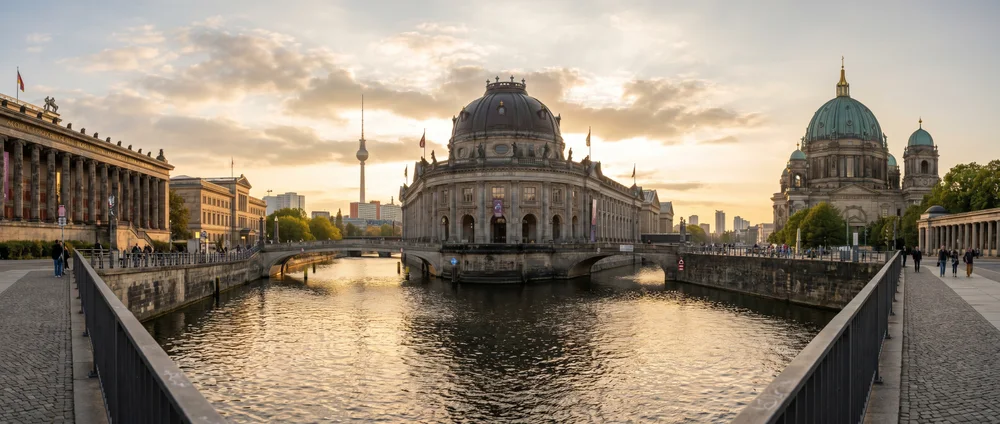
Museum Island is five state museums on one Spree island, and the trap is treating it as one ticket-and-go attraction. The Pergamon is shut for long-term renovation, so the headline draw most people picture is off the table — book a timed ticket for the Neues Museum (Nefertiti) or the Pergamon Panorama instead, pick one or two museums rather than all five, and allow about two hours per museum. Reserve online: the Neues and the Alte Nationalgalerie sell their morning slots out in summer.
Brandenburg Gate
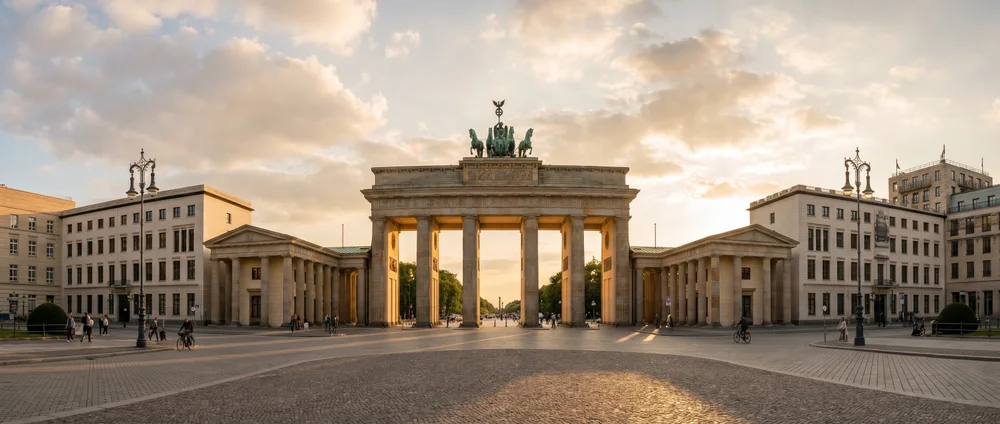
The Brandenburg Gate is a free, open-air monument on Pariser Platz, so there is no ticket and no opening hours — the only thing to plan is when you come. It works best as a 20–30 minute stop folded into a wider walk: photograph the Quadriga chariot from the east side on Pariser Platz, step into the free Room of Silence in the north gatehouse, then walk five minutes south to the Memorial to the Murdered Jews of Europe and five minutes north to the Reichstag. Come early morning or after dark, when the floodlit columns clear of the daytime crowds and selfie sticks.
East Side Gallery
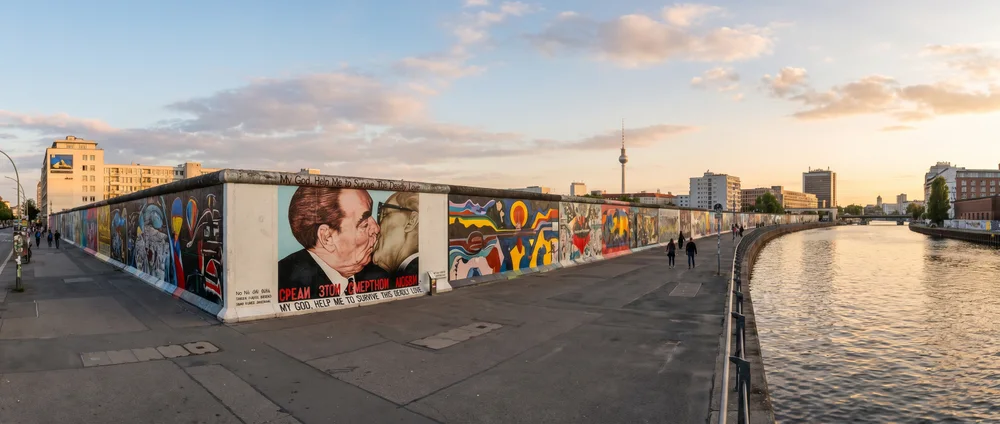
The East Side Gallery is the longest surviving stretch of the Berlin Wall — a 1,316-metre run of the original concrete along Mühlenstraße in Friedrichshain, painted by 118 artists in 1990 and now an open-air monument. It is free and never closes: there are no tickets, no gate and no opening hours, because it lines a public pavement beside the Spree. Walk it end to end in about 45 minutes to an hour, start from the Ostbahnhof end so you finish at the Oberbaumbrücke, and go early if you want the famous Brezhnev–Honecker kiss to yourself.
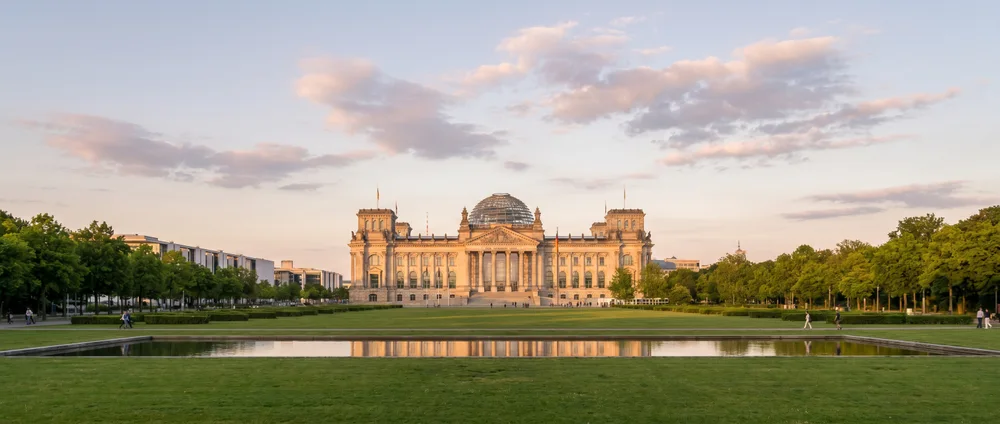
Reichstag Building
The Reichstag dome is free, but you cannot just turn up — you must register online with the Bundestag visitors' service in advance, giving every visitor's full name and ID-card or passport number. Registration opens around three months ahead and peak slots vanish, so book before you fly. Allow about an hour to ninety minutes including the airport-style security check, and pick a clear early-evening slot for the best light over the Tiergarten.
Where to stay first
The areas that make a first visit easier — not an exhaustive directory.
Mitte
££ mid-rangeThe historic core: Museum Island, the Brandenburg Gate, Unter den Linden and the main Cold War sights are walkable from here. Busy and not the cheapest, but it saves a tram ride to everything on a short trip.
Best for: First-timers, sightseeing on foot, short stays
Prenzlauer Berg
£ valueLeafy, restored streets of cafés, brunch spots and the Mauerpark Sunday flea market. Calmer and good value, a short U-Bahn hop north of Mitte — the easiest base if you want local evenings over sightseeing convenience.
Best for: Cafés, families, repeat visitors, value
Kreuzberg
££ mid-rangeThe food-and-bars heart: Turkish markets, döner, late-night Spätis and the Görlitzer/Bergmannkiez scene. Lively and a bit gritty, brilliant for evenings but noisier if you want early nights.
Best for: Nightlife, food, younger trips
Charlottenburg
£££ premiumThe quieter, more polished west: the Ku'damm shopping boulevard, the palace and grander hotels. Further from the eastern Wall sites, but a calm, comfortable base with good transport links.
Best for: Shopping, comfort, calmer stays
Airport to city centre
| Option | Time | Cost | Book ahead? |
|---|---|---|---|
| FEX express train to Hauptbahnhof | ~23 min | €5 single (ABC ticket) | Best for hotels around Mitte and Hauptbahnhof; runs every 30 min |
| S-Bahn S9 / S45 | ~40-50 min into the centre | €5 single (ABC ticket) | Same ABC fare as the FEX but stops everywhere; the S9 runs to Ostkreuz and Friedrichstraße |
| BER airport bus / regional RB | ~30-45 min depending on stop | €5 single (ABC ticket) | RB14/RB22 regional trains suit southern districts like Schöneweide |
| Taxi | ~40-50 min to Mitte | usually €50-€60 | Worth it after the last FEX (~midnight) or with heavy luggage to a Mitte hotel |
When to go
Sweet spot: May, June and September are the sweet spot: 18-25°C, long days, beer gardens and lake swimming open, and lower prices than the July-August peak. Late November to 23 December brings the Christmas markets at Gendarmenmarkt and around the city, but pack for cold.
High summer is warm and lively but the busiest and dearest for beds; winter is grey and cold but cheap, and good for the museum-heavy, indoor side of the city plus the December markets. Spring and early autumn give the best balance of weather, crowds and price — book weekends ahead as UK city-break demand is heavy.
What it costs
UK return flights to Berlin run from about £30-£70 off-peak on easyJet, Ryanair or Eurowings booked ahead, more like £120-£180 in the school holidays or at short notice. Berlin is one of the cheapest German cities to fly into, with direct routes from across the UK, not just London.
Daily budget per person
Berlin's best value is the casual eating: a döner or currywurst with chips runs €6-€9 and a half-litre of beer €3.50-€5, often cheaper than a soft drink. Carry €30-50 in cash — plenty of bars, Spätis and Imbiss stands are cash-only or set a card minimum.
Book the essentials
Where to stay
Tours & tickets
Airport transfers
Stay connected
Trains & rail passes
Also in Germany


Berlin FAQs
How many days do you need in Berlin?
Where should first-timers stay in Berlin?
Do you need a car in Berlin?
Ready to book?
Find hotels in Berlin