Capital Region
Reykjavík
Iceland's only real city is base camp, not the destination: give it two or three nights in the walkable 101 postcode, book a timed Blue Lagoon slot, and brace for the priciest city break you'll ever take.
Best length
2-3 nights as a base for day trips
Airport
Keflavík (KEF), ~50km / 50 min southwest
Airport to centre
Flybus ISK 3,999 (~£24), ~45 min to BSÍ terminal
Best base
101 / downtown for sights; Vesturbær for calm and value
In short
Reykjavík at a glance
Reykjavík is Iceland's only real city and the base camp for nearly every trip: the Golden Circle, the Blue Lagoon and the south coast all radiate from here. Treat it as two or three nights, not a week — the centre is tiny and walkable, the draw is the day trips, and the honest catch is cost, because this is the most expensive city break most UK travellers will take. Stay in the 101 postcode if you want everything on your doorstep, book the Blue Lagoon's timed slot before you fly, decide early whether you're self-driving or taking tours, and come September–March if the northern lights are the point.
The short version
- Two or three nights is plenty in the city itself; Reykjavík is a base for day trips, not a week-long destination.
- Stay in 101 (downtown) for walkable bars and sights, or Vesturbær just west for a calmer, slightly cheaper base.
- Take the Flybus from Keflavík (ISK 3,999 / ~£24, ~45 min) — it meets every flight and beats a taxi by miles on price.
- Pre-book a timed Blue Lagoon slot before you fly; it's 45 minutes out on the Reykjanes peninsula, and walk-ins aren't accepted.
- Sky Lagoon is the in-town alternative — 15 minutes from the centre versus 45 to the Blue Lagoon — so you lose no half-day to transfers.
- Northern lights run September to March (peak November–February); summer's midnight sun means no aurora at all.
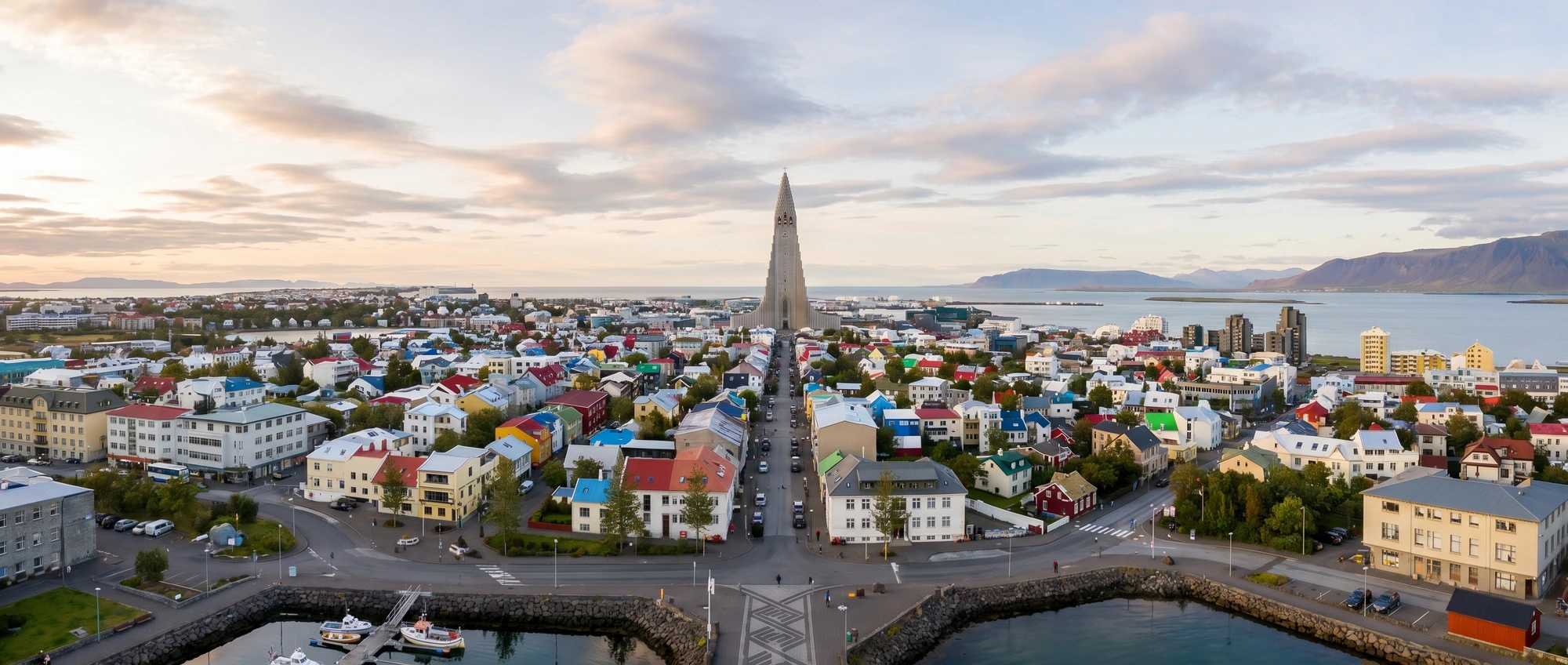
Reykjavík is less a destination than a launchpad. The world’s northernmost capital is genuinely tiny — you can walk from the Hallgrímskirkja tower to the old harbour in fifteen minutes — and most of what people come to Iceland for sits outside it: the Golden Circle’s geysers and waterfalls, the Blue Lagoon out on the Reykjanes peninsula, the black-sand south coast. The mistake is treating the city as a week-long stay. Two or three nights is the right shape: enough to enjoy the coloured-roof streets, a geothermal pool and a harbour seafood dinner, with the rest of your days spent on trips that start and end here.
The two planning calls that shape everything are when you come and how you get around. Come June to August for the midnight sun and the mildest weather, but accept peak prices and no northern lights; come September to March for the aurora, accepting short days and the odd weather-cancelled tour. And decide early between a hire car — freedom and better value for a group — and guided day tours from the BSÍ terminal, which spare you driving through winter dark and ice.
The honest caveat is cost. Reykjavík is the most expensive city break most UK travellers will take, where a bar beer tops a tenner and a sit-down dinner runs £25 a head before drinks. The savers are real, though: self-cater from a Bónus shop, drink the glacier-fresh tap water, and take the Flybus rather than a £120 taxi from Keflavík. Below, the structured planning — where to stay, what to book ahead, the airport run and a realistic budget in pounds — picks up from here.
Plan your Reykjavík trip
Keep a first trip focused: book the big timed sights, then leave room for neighbourhoods and food.
Top things to do in Reykjavík
Blue Lagoon
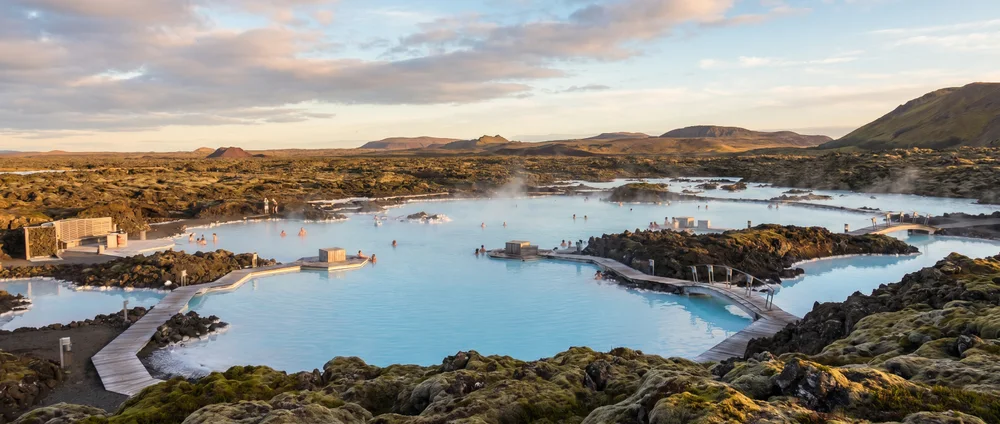
Book the Blue Lagoon's timed one-hour arrival slot online before you fly — it doesn't take walk-ins, and summer slots go weeks ahead. The clever move is to fit it into the airport run rather than a Reykjavík day trip: it's about 20 minutes from Keflavík and 45 from the city, and there are luggage lockers, so a soak on arrival or departure costs you no half-day. Allow two to three hours, take the Comfort package unless you actively want a robe, and check vedur.is first — it sits on the Reykjanes peninsula and has closed at short notice during the eruption series.
Hallgrímskirkja
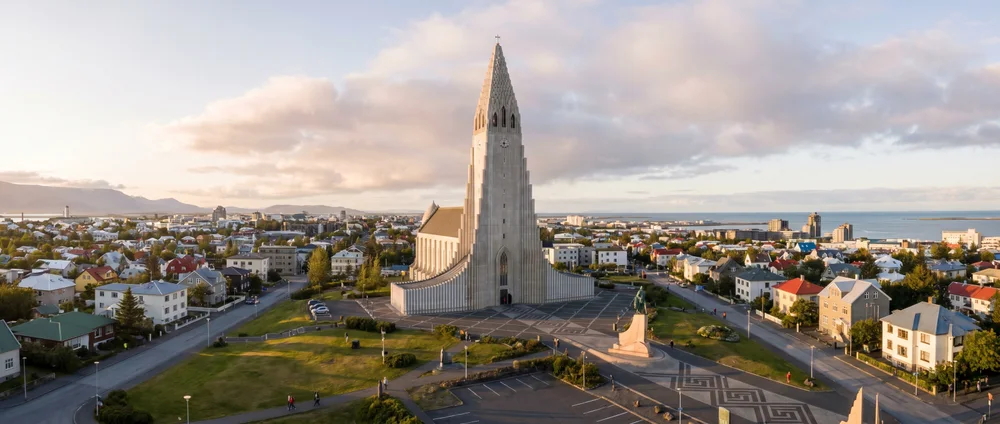
Walking into Hallgrímskirkja is free — the thing you actually pay for is the lift up the tower, around 1,400 ISK (about £8.50) for adults, bought at the shop just inside the door. Go up for the view over Reykjavik's coloured rooftops to the sea and mountains, not for the interior, which is a plain white concrete nave rather than a gilded cathedral. Allow 30–45 minutes total. Skip it on a flat-grey overcast day; the view is the whole reason to climb.
Sky Lagoon
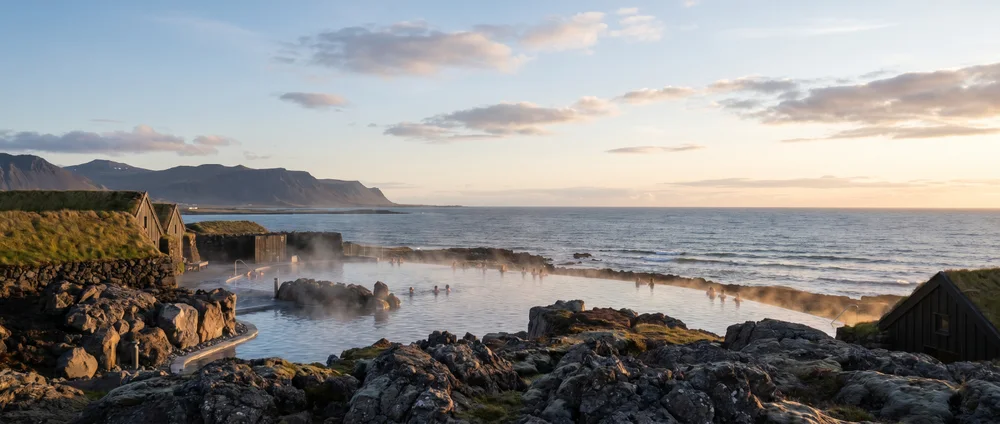
Sky Lagoon is the oceanfront geothermal lagoon at Kársnes in Kópavogur, about 15 minutes south of central Reykjavík — close enough that, unlike the Blue Lagoon's 45-minute peninsula run, it costs you no half-day. Book a timed entry online; the headline draw is the 70-metre infinity edge looking out over the Atlantic and the seven-step Skjól ritual, included with every pass. Take the Saman pass (shared changing rooms) unless you actively want a private cubicle, allow two to three hours, and note it sits in the capital area rather than on the eruption peninsula, so the volcano-closure risk that hangs over the Blue Lagoon barely applies here.
Where to stay first
The areas that make a first visit easier — not an exhaustive directory.
101 / Miðbær (downtown)
£££ premiumThe compact city centre around Laugavegur and Hallgrímskirkja: bars, restaurants, the harbour and most sights all within a 15-minute walk. The obvious first-timer base, but it's the priciest postcode and the weekend-night noise carries, so ask for a room off the main drag.
Best for: First-timers, short stays, walkable nights out
Vesturbær
££ mid-rangeThe residential quarter just west of downtown, a 10-15 minute walk from Laugavegur. Quieter and a touch cheaper, with the well-loved Vesturbæjarlaug geothermal pool and the National Museum nearby. The sensible value pick if you want sleep over nightlife.
Best for: Couples, value, a calmer base near the centre
Grandi / Old Harbour
££ mid-rangeThe regenerated dockside on the harbour's north edge — galleries, design shops and seafood spots in old warehouses, with whale-watching boats on your doorstep. Flat and walkable into town in 15 minutes, and usually better priced than 101.
Best for: Food, harbour trips, a trendier base
Hlíðar / Laugardalur
£ valueThe quieter inland neighbourhoods east of the hill, near the big Laugardalslaug pool. Cheaper rooms and more space, but you'll rely on the bus or a longer walk for the centre — best if you have a hire car and value over location.
Best for: Self-drivers, families, budget stays
Airport to city centre
| Option | Time | Cost | Book ahead? |
|---|---|---|---|
| Flybus to BSÍ terminal | ~45 min | ISK 3,999 / about £24 | Meets every flight; the standard choice |
| Flybus+ to your hotel door | ~60 min incl. minibus transfer | ISK 4,999 / about £30 | Worth it with luggage or a central hotel |
| Airport Direct / Gray Line shuttle | ~45-60 min | ISK 3,500-5,500 / about £21-£33 | Similar door-drop alternative to Flybus |
| Taxi | ~45 min | usually ISK 18,000-22,000 / £110-£135 | Rarely worth it solo; only for late odd arrivals |
When to go
Sweet spot: The two seasons are almost opposite trips. June to August brings the midnight sun, mild 10-15°C days and the longest daylight, but no northern lights and peak prices — and it's the busiest stretch for the Golden Circle and Blue Lagoon. September to March is aurora season, with the best odds November to February; the trade-off is short days (about 4 hours of light at the December solstice) and wild weather. Late September and March are the value sweet spots: shoulder prices, fewer crowds, and a real chance of the lights at the season's edge.
Winter days are very short and weather closes roads and cancels aurora tours at short notice, so build slack into any winter trip and pick operators who rebook you free. Summer's catch is crowds and prices at the headline day-trip sights, and Blue Lagoon slots booking out weeks ahead. Avoid the week of 12 August 2026, when a total solar eclipse crosses western Iceland and capital-area beds are booked out and heavily priced.
What it costs
UK return flights to Keflavík run from about £90-£150 off-peak on Play, easyJet or Jet2 booked ahead, rising to £180-£300 in summer, school holidays and the aurora weeks around new moon. Flights are the cheap part of an Iceland trip — the cost lands on the ground.
Daily budget per person
Reykjavík is the most expensive city most UK travellers will visit. The single biggest saver is self-catering from a Bónus or Krónan supermarket, and the second is alcohol: a draught beer is £7-£11 in a bar, so locals stock the duty-free in arrivals and drink in. The tap water is glacier-fresh — never buy bottled.
Book the essentials
Where to stay
Tours & tickets
Airport transfers
Stay connected
Trains & rail passes
Also in Iceland
Reykjavík FAQs
How many days do you need in Reykjavík?
Where should first-timers stay in Reykjavík?
Should I book the Blue Lagoon before I go?
Can you see the northern lights from Reykjavík?
Do you need a car in Reykjavík?
Ready to book?
Find hotels in Reykjavík