Leinster (East Coast)
Dublin
No passport control on arrival, the airport bus costs a fiver, and you'll have a better time basing yourself anywhere but Temple Bar; book Kilmainham and the Book of Kells ahead.
Best length
2-3 nights
Airport
Dublin (DUB), ~10km north of the centre
Airport to centre
Aircoach ~30-40 min, about €6 (~£5) online
Best base
St Stephen's Green / Camden Street for first-timers; Portobello for value
In short
Dublin at a glance
Dublin is a 2- to 3-night city break, not a week: a compact, walkable centre built around Trinity College, the Liffey and a genuinely good pub culture. Under the Common Travel Area there's no passport control for UK arrivals, but your airline still wants a passport, and it's the euro you spend, not the pound. Stay south of the Liffey but a few streets off Temple Bar, book Book of Kells, Kilmainham Gaol and the Guinness Storehouse before you fly, and skip the hire car entirely.
The short version
- There's no passport control for UK arrivals under the Common Travel Area, but airlines still require ID — carry a passport (it's the euro you spend, not the pound).
- Stay south of the Liffey near St Stephen's Green, Camden Street or Portobello rather than inside Temple Bar, which is loud, pricey and pickpocket-prone.
- Book Kilmainham Gaol (it sells out days ahead), the Book of Kells timed slot and the Guinness Storehouse online before you fly.
- Get in from the airport on an Aircoach for about €6 (~£5) online, or the Dublin Bus 16/41 for €2.60 (~£2.20) with a Leap card — both far cheaper than a €30+ taxi.
- Two full days covers Trinity, the Gaol, a museum and a real pub night; three is comfortable, a week is too long for the city alone.
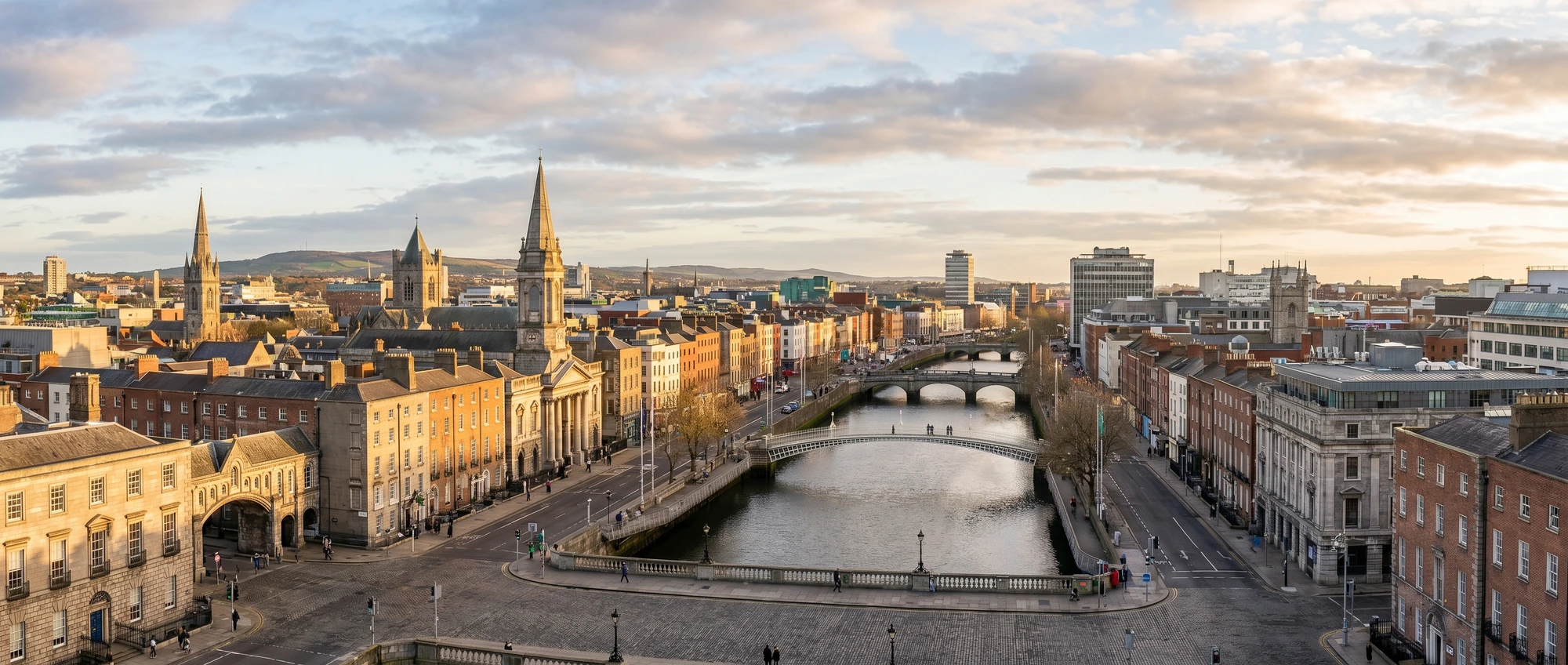
Dublin is the easiest foreign city break a UK traveller can take, and that ease is the thing most people get wrong. There’s no passport control on arrival under the Common Travel Area — you walk straight through, no stamp, no queue — so it feels like a domestic trip until the first card terminal asks you to pay in euro, not pounds. Carry a passport anyway, because your airline almost certainly demands one even though the border doesn’t. The city itself is small and walkable: Trinity College, the Liffey, the Georgian squares and a pub culture that genuinely lives up to its reputation, all within a 30-minute walk.
The job of a good first trip is to book the two or three sights that actually need booking — Kilmainham Gaol sells out days ahead, the Book of Kells runs timed entry, and the Guinness Storehouse is cheaper bought online — and to base yourself a few streets off Temple Bar rather than inside it. Temple Bar is fine to wander through and a poor place to sleep: loud, pricey and the worst corner for pickpockets. Stay near St Stephen’s Green for convenience or Camden Street and Portobello for value and a more local evening.
Two full days covers it comfortably, three if you want a DART trip out to Howth for a coastal walk and seafood. A week in the city alone is too long; Dublin is better as the front half of a trip that adds a region or the west coast. Below, the structured planning — where to stay, what to book, how to get in from the airport for a fiver, and a realistic budget in pounds — picks up from here.
Plan your Dublin trip
Keep a first trip focused: book the big timed sights, then leave room for neighbourhoods and food.
Top things to do in Dublin
Book of Kells & Trinity College Old Library
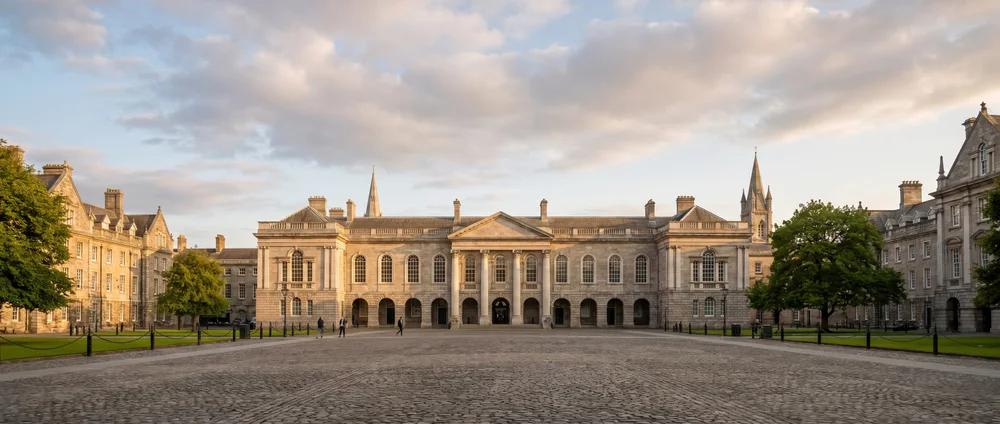
Book a timed Book of Kells Experience slot on visittrinity.ie before you fly — the standard self-guided adult ticket is about €26.50 (~£22) and the first slots of the day sell out on summer weekends, with no dependable walk-up queue. The manuscript itself is two open pages under glass in a darkened Treasury, so the soaring Long Room above is the photograph people come for; in 2026 it's roughly 90% emptied for the Old Library Redevelopment, with Luke Jerram's seven-metre Gaia globe hung at its centre. Allow about 90 minutes, take the first 09:00 slot to beat the coach groups, and go before the Old Library shuts at the end of 2027 for a multi-year rebuild.
Kilmainham Gaol
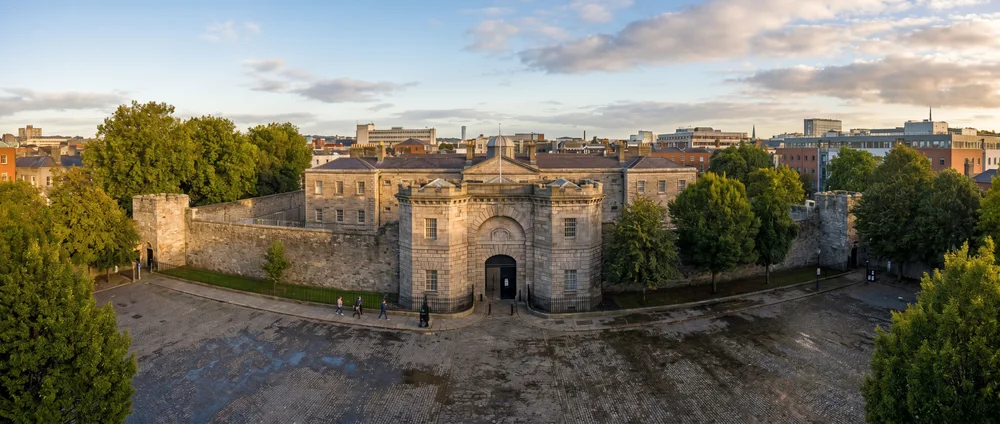
Kilmainham Gaol is guided-tour only, and the tour is the single Dublin ticket you book first — slots routinely vanish two to four weeks ahead in summer, and there is no walk-up queue worth joining. Reserve online at heritageireland.ie the moment your dates firm up; if you miss out, a small batch of same-day tickets is released online each morning at 09:15. The 1916 Rising execution yard and the East Wing make it the most affecting hour you'll spend in the city — allow 1.5 hours including the museum, and factor 30 minutes each way from the centre.
EPIC The Irish Emigration Museum
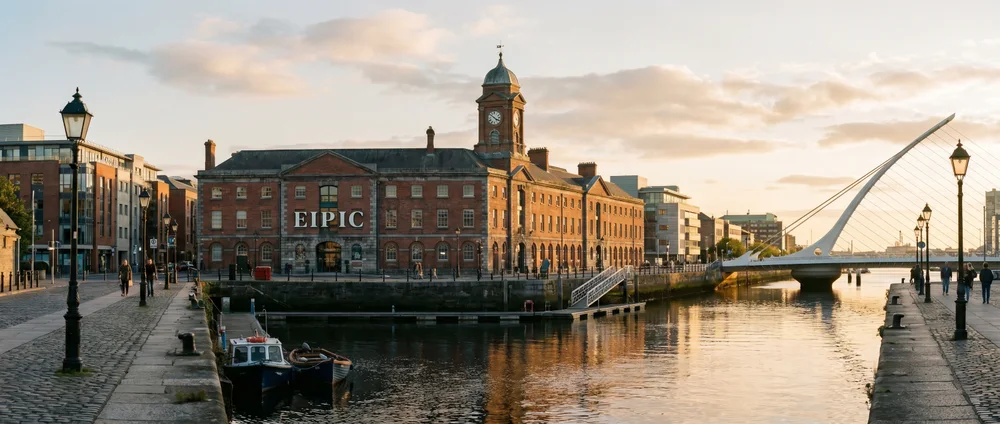
EPIC is a wholly digital museum: 20 interactive galleries in the 200-year-old stone vaults of the CHQ Building on Custom House Quay, telling the story of Irish emigration over touchscreens, projections and sound rather than original artefacts. The adult online ticket is about €22 (~£19) and, unlike Kilmainham Gaol or the Book of Kells, it almost never sells out — you can usually walk up, which makes it the city's best wet-weather flagship. It is self-guided, so allow about 1.5 hours, more if you stop at every screen. It has won the World Travel Awards 'Europe's Leading Tourist Attraction' three times (2019–2021), and the same building holds the Irish Family History Centre if you want to trace an Irish ancestor.
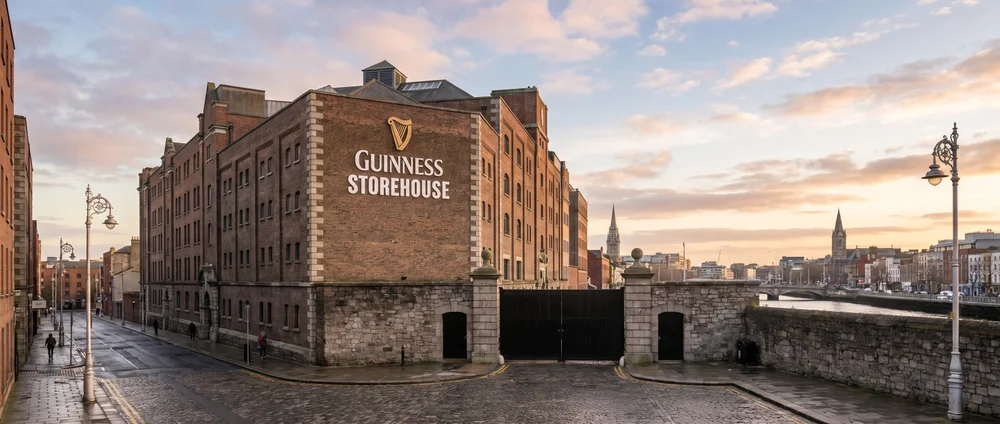
Guinness Storehouse
Book a timed Guinness Storehouse ticket on the official site before you go — the online from-price (about €22) undercuts the gate and dynamic pricing pushes peak-time slots past €30, so the slot you pick changes what you pay. It's a slick, self-guided seven-floor museum, not a working-brewery tour, and the real payoff is the included pint at the top-floor Gravity Bar with its 360° glass view over Dublin. Allow 1.5–2 hours, take a morning or late-afternoon weekday slot to dodge the worst crowds, and go in knowing many Dubliners rate a proper pub or the Jameson distillery as better value.
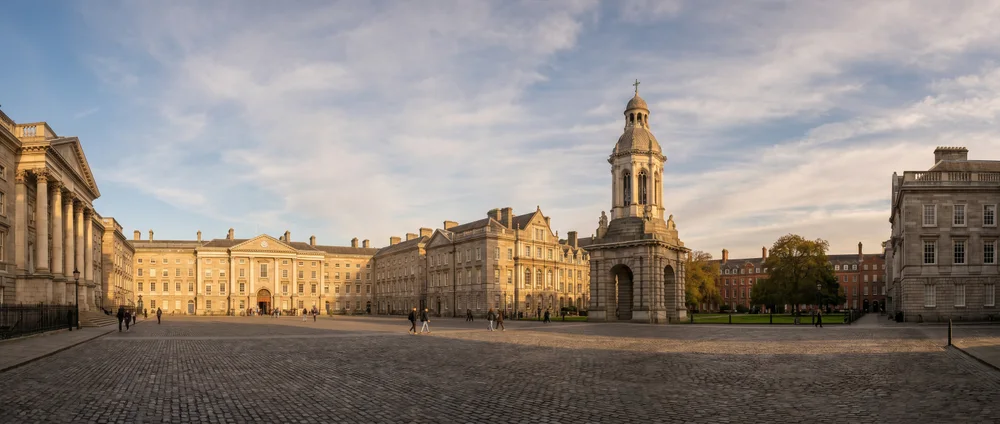
Trinity College and the Book of Kells
Book a timed Book of Kells Experience slot online before you fly — the standard self-guided ticket is about €26 and walk-up slots sell out on summer weekends. The manuscript itself is two open pages under glass in a darkened Treasury, so the Long Room library above is the real photo; in 2026 it's roughly 90% emptied for the Old Library Redevelopment, with Luke Jerram's seven-metre Gaia globe hung at its centre and a Red Pavilion of digital exhibits added to fill the visit. Allow about 90 minutes, and go before the Old Library shuts at the end of 2027 for a multi-year rebuild.
Where to stay first
The areas that make a first visit easier — not an exhaustive directory.
St Stephen's Green / Grafton Street
£££ premiumThe easiest first-timer base: central, walkable to Trinity, Dublin Castle and Grafton Street's shops, and a couple of streets from the pubs without being inside the Temple Bar din. It's the priciest area, but it saves time and noise every day.
Best for: First-timers, couples, short stays
Camden Street / Portobello
££ mid-rangeWhere Dubliners actually drink and eat: a strip of good bars and restaurants running south from the centre, with the canal-side calm of Portobello behind it. Better value than the Green and a 10-15 minute walk in.
Best for: Food-led trips, value, a more local evening
Temple Bar
£££ premiumThe famous cobbled nightlife core, and the one most Dubliners roll their eyes at: €9 pints, stag-do noise until late and the worst pickpocket pressure in the city. Fine to walk through, a poor place to sleep.
Best for: Nightlife-first weekends who don't mind crowds
Docklands / Grand Canal Dock
££ mid-rangeModern glass-and-water district east of the centre, quieter at night and often better-value-per-star for newer hotels. Useful if you want space and a calmer base, at the cost of a longer walk or a tram ride to the sights.
Best for: Quieter stays, newer hotels, business trips
Airport to city centre
| Option | Time | Cost | Book ahead? |
|---|---|---|---|
| Aircoach (700) to O'Connell Street, Kildare Street and southside stops | ~30-40 min | about €6 single / €8 return online | Cheapest express; best for southside hotels, runs 24/7 |
| Dublin Bus 16 or 41 to the city centre | ~45-60 min | €2.60 with a Leap card (€3.30 cash) | The genuinely cheapest way in; slower, more stops |
| Airlink Express 747 to O'Connell Street / city centre | ~35-45 min | about €10 single | Frequent and direct, but no longer the budget pick |
| Dublin Express to city centre and Heuston Station | ~30-45 min | about €10 single | Handy for rail connections west |
| Taxi | ~25-35 min | usually €30-€40 | Good for late arrivals or with luggage |
When to go
Sweet spot: May, June and September are the sweet spot: the long Irish daylight (light past 22:00 in midsummer), the best chance of dry spells, and either side of the busiest, priciest July-August weeks. Dublin weather is unpredictable in any month, so chase the season for daylight and value rather than guaranteed sun, and pack a waterproof whatever the forecast.
Summer brings the longest days and the liveliest pub scene but the highest prices and biggest crowds, partly from cruise traffic. May and September are the smarter shoulder months — mild, long-ish days and noticeably better hotel value. Winter is cheap and cosy for a pubs-and-museums weekend but dark by late afternoon. Watch the calendar spikes: St Patrick's around 17 March (hotel rates can treble) and Six Nations rugby weekends around the Aviva Stadium fill rooms and pubs months ahead.
What it costs
Direct returns from London are some of the cheapest of any foreign trip — Ryanair from Stansted, Luton or Gatwick can dip under £40 return on quiet midweek dates, with typical fares £60-£120 and Aer Lingus from Heathrow nearer £100-£200. Booking around 40 days ahead and flying Tuesday, Wednesday or Saturday gets the best prices; avoid St Patrick's around 17 March and Six Nations rugby weekends.
Daily budget per person
| Pint of Guinness in a city-centre pub | ~£5.50-7 (€6.50-8) |
|---|---|
| Leap-card 90-minute fare | ~£1.70 (€2) |
| Pub main / lunch | ~£13-18 (€15-21) |
| Airport bus, single | ~£5 (€6) |
| Kilmainham Gaol, adult | ~£7 (€8) |
| Guinness Storehouse, adult | ~£22-30 (€26-36) |
Dublin isn't cheap — pints run €6.50-€8 (~£5.50-£7), hotels and restaurant mains sit closer to London than to a Spanish city. The flight is the bargain, not the trip. Pay in euro, never the pound it offers at the card terminal.
Book the essentials
Where to stay
Tours & tickets
Airport transfers
Stay connected
Trains & rail passes
Also in Ireland




Dublin FAQs
Do you need a passport to travel to Dublin from the UK?
How many days do you need in Dublin?
Where should first-timers stay in Dublin?
Is Dublin expensive, and does it use the euro?
What's the cheapest way from Dublin Airport to the city centre?
Ready to book?
Find hotels in Dublin