Valencian Community
Valencia
Flatter, calmer and cheaper than Barcelona, with the City of Arts, a 9km park in an old riverbed and the birthplace of paella: base in Ruzafa or the old town and pre-book only the Oceanogràfic.
Best length
2-3 nights
Airport
Valencia (Manises, VLC), ~8km west
Airport to centre
Metro line 3/5 ~25 min; bus 150; taxi ~25 min
Best base
Ruzafa for food; Ciutat Vella for sights
In short
Valencia at a glance
Valencia is Spain's most underrated city break: flatter, calmer and cheaper than Barcelona, with the futuristic City of Arts, a 9km park where the river used to be, a real beach and the place paella was actually invented. Stay in Ruzafa or the old town, walk or cycle the Turia, and treat the Oceanogràfic as the one ticket worth pre-booking.
The short version
- Stay in Ruzafa for the best food and bars, or Ciutat Vella if you want monuments on your doorstep; both are walkable to almost everything.
- Buy the combined City of Arts ticket only if you'll do the Oceanogràfic plus the Science Museum or Hemisfèric — otherwise the single aquarium ticket is enough.
- Eat paella at lunch, not dinner, and ideally in El Palmar in the Albufera rather than a tourist terrace by the cathedral.
- Use Metro line 3 or 5 from Manises airport; it's about €5 and 25 minutes, so a taxi rarely earns its money.
- Cycle or walk the Turia gardens to link the old town and the City of Arts in one flat, traffic-free run.
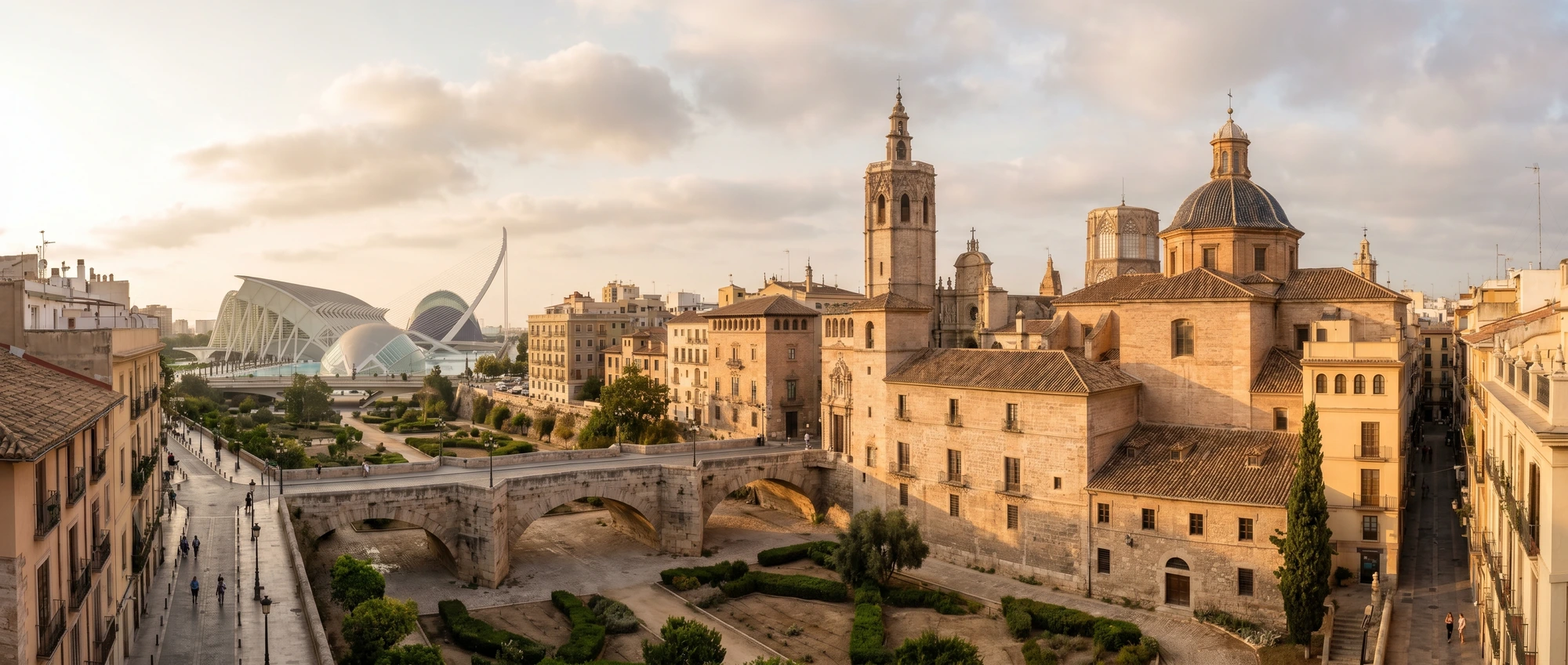
Valencia is the easy answer to “somewhere like Barcelona, but calmer and cheaper”. It has the futuristic draw — Calatrava’s City of Arts and Sciences and the Oceanogràfic, Europe’s largest aquarium — plus a medieval old town, a real beach, and the original home of paella. What it doesn’t have is Barcelona’s crowds, hills or prices. The city is flat enough to cross on a bike, and the old river was rerouted decades ago and turned into the Turia: a 9km park that loops the centre and links the cathedral end to the City of Arts without touching a road.
Two full days is enough for the essentials: one for the old town, the Mercado Central and the cathedral, and one for the City of Arts and the beach. A third night earns its keep if you want to cycle the Turia at a proper pace and head out to El Palmar in the Albufera for a paella lunch where the dish was actually invented. The structured planning below — where to stay between Ruzafa and the old town, which City of Arts ticket to buy, how to get in from Manises, and a realistic budget in pounds — picks up from here.
Plan your Valencia trip
Keep a first trip focused: book the big timed sights, then leave room for neighbourhoods and food.
Top things to do in Valencia
City of Arts and Sciences
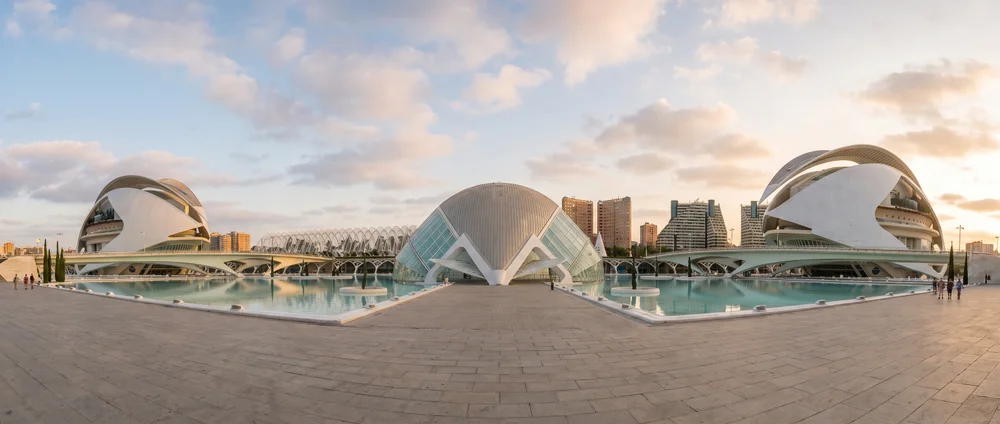
Calatrava's white-concrete-and-glass complex sits in the drained Turia riverbed and is free to walk around — the photos everyone takes of the eye-shaped Hemisfèric and the spine-like Museu de les Ciències cost nothing. The money goes on four separate ticketed attractions. The Oceanogràfic aquarium (Europe's largest) is the one most people fly in for; the rest are skippable unless you have children. Decide what you actually want before you buy, because the triple combo only saves money if you'll genuinely do all three.
La Lonja de la Seda
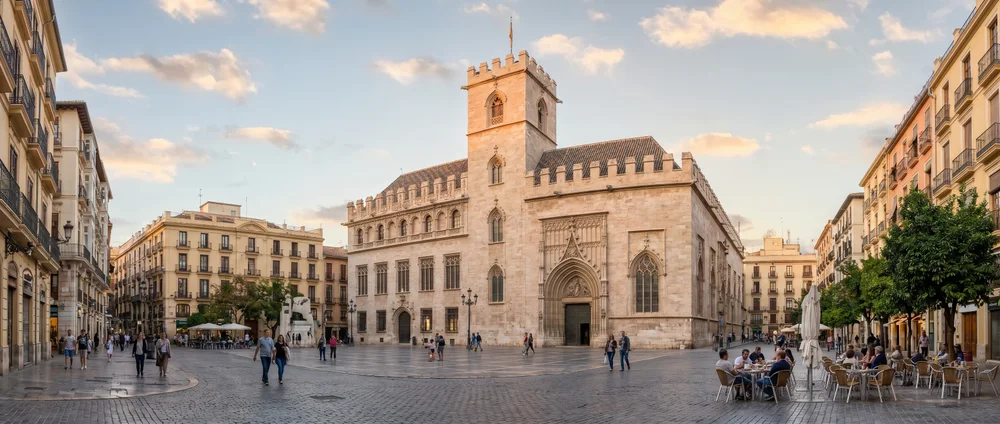
Don't overthink this one: it's a flat €2 (about £1.70) on weekdays and free on Sundays and public holidays, with no advance booking and rarely a queue. The single room worth coming for is the Sala de Contratación, where eight spiralling helical columns climb to a vaulted ceiling like stone palm trees. Allow 45 minutes to an hour, skip the Valencia Tourist Card if La Lonja is your only stop here, and tack it onto a Mercat Central trip since the two face each other across the same square.
Valencia Cathedral
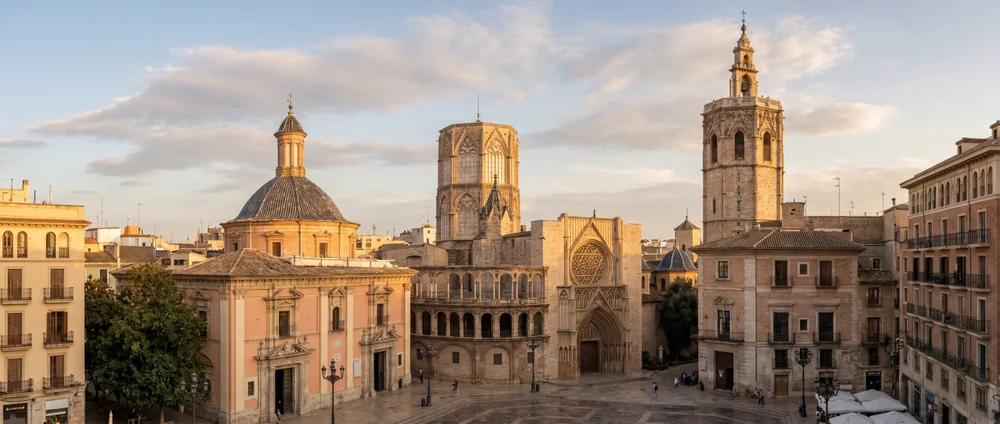
The main draw is the agate cup in the Chapel of the Holy Chalice, which the cathedral presents as the Holy Grail — a small, dimly lit relic, not a spectacle. The €12 ticket includes an audio guide in ten languages, the museum and the chapel; the Micalet bell tower next door is a separate €3 climb of 207 steps. You don't need to book ahead. Allow about an hour inside, more if you climb the tower.
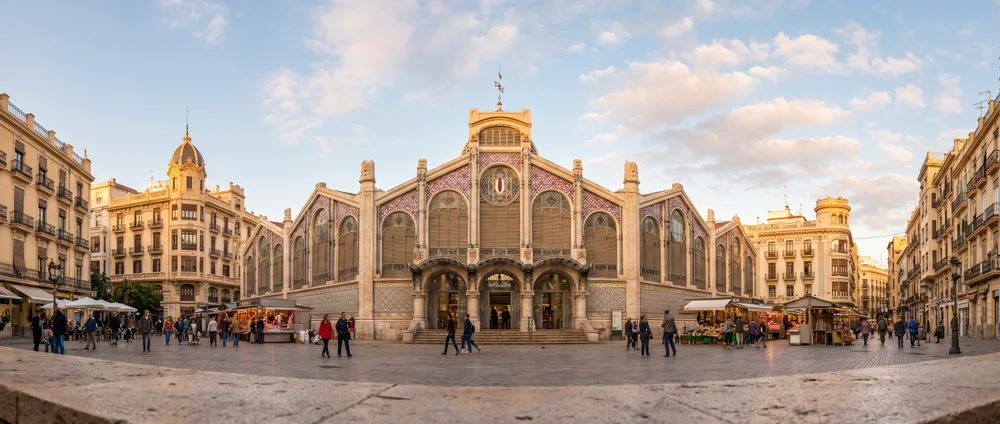
Mercado Central
Entry to the Mercado Central is free — there's no ticket and no booking, so the only thing to plan is timing. It trades Monday to Saturday, roughly 07:30 to 15:00, and is shut on Sundays and public holidays, which catches a lot of weekend visitors out. Go before 10:00 to see it working rather than thinning out: stallholders restock, the fish counters are full, and the tour groups haven't arrived. Allow 30–45 minutes to walk the aisles under the stained-glass domes, longer if you stop at the Central Bar for tapas.
Where to stay first
The areas that make a first visit easier — not an exhaustive directory.
Ruzafa
££ mid-rangeValencia's best eating-and-drinking neighbourhood: independent cafes, markets, vintage shops and a young, busy evening crowd just south of the old town. Lively rather than quiet, so ask for a room off the main bar streets if you're a light sleeper.
Best for: Food-led trips, couples, nightlife
Ciutat Vella (El Carmen)
££ mid-rangeThe medieval centre, with the cathedral, the market and the best monuments on your doorstep. Romantic and atmospheric, but expect tourist crowds and noise around El Carmen's bars, and some old buildings with no lift.
Best for: First-timers, sightseeing, short stays
Eixample / Colón
££ mid-rangeThe smart grid around Colón station: wide streets, mid-range hotels, good shopping and easy metro access without the old-town crowds. A sensible, calmer base that's still a short walk or one metro stop from everything.
Best for: Quieter stays, value, families
El Cabanyal and the beach
£ valueThe old fishermen's quarter behind Malvarrosa beach: tiled houses, seafood and sand a tram ride from the centre. Choose it if beach mornings matter more than monuments; it's quieter at night and further from the old-town sights.
Best for: Beach-first trips, summer
Airport to city centre
| Option | Time | Cost | Book ahead? |
|---|---|---|---|
| Metro line 3 or 5 to Xàtiva / Colón | ~25 min | about €4.80 plus ~€1 SUMA card | Best value for most central hotels |
| Metrobús line 150 to the centre | ~30 min | about €1.45 single | Cheapest, but more stops and slower |
| Taxi | ~20-25 min | usually €20-€25 plus ~€5.40 airport supplement | Good for late arrivals or with luggage |
When to go
Sweet spot: April to June and September to early October are ideal: warm enough for the beach edge, comfortable for walking and cycling the Turia, and short of the brutal August heat. March means Las Fallas (1-19 March) — spectacular, but the city is packed, loud and expensive.
High summer is hot and humid, and many locals leave town in August; winter is mild, cheap and good for sightseeing but not a beach trip. Book well ahead for Fallas in March and for spring and autumn weekends, when UK city-break demand is heavy.
What it costs
UK return flights to Valencia are often £40-£100 outside school holidays when booked ahead, with Ryanair, easyJet, Vueling and Wizz flying direct from Gatwick, Manchester, Bristol, Birmingham and Edinburgh; the Fallas week in March and summer weekends push fares much higher.
Daily budget per person
Valencia is noticeably cheaper than Barcelona or Madrid for food and hotels. The easy way to overspend is paella on a cathedral-square terrace; eat where Valencians do in Ruzafa or out at El Palmar instead.
Book the essentials
Where to stay
Tours & tickets
Airport transfers
Stay connected
Trains & rail passes
Also in Spain




Valencia FAQs
How many days do you need in Valencia?
Is Valencia cheaper than Barcelona?
Should you buy the combined City of Arts ticket?
Ready to book?
Find hotels in Valencia