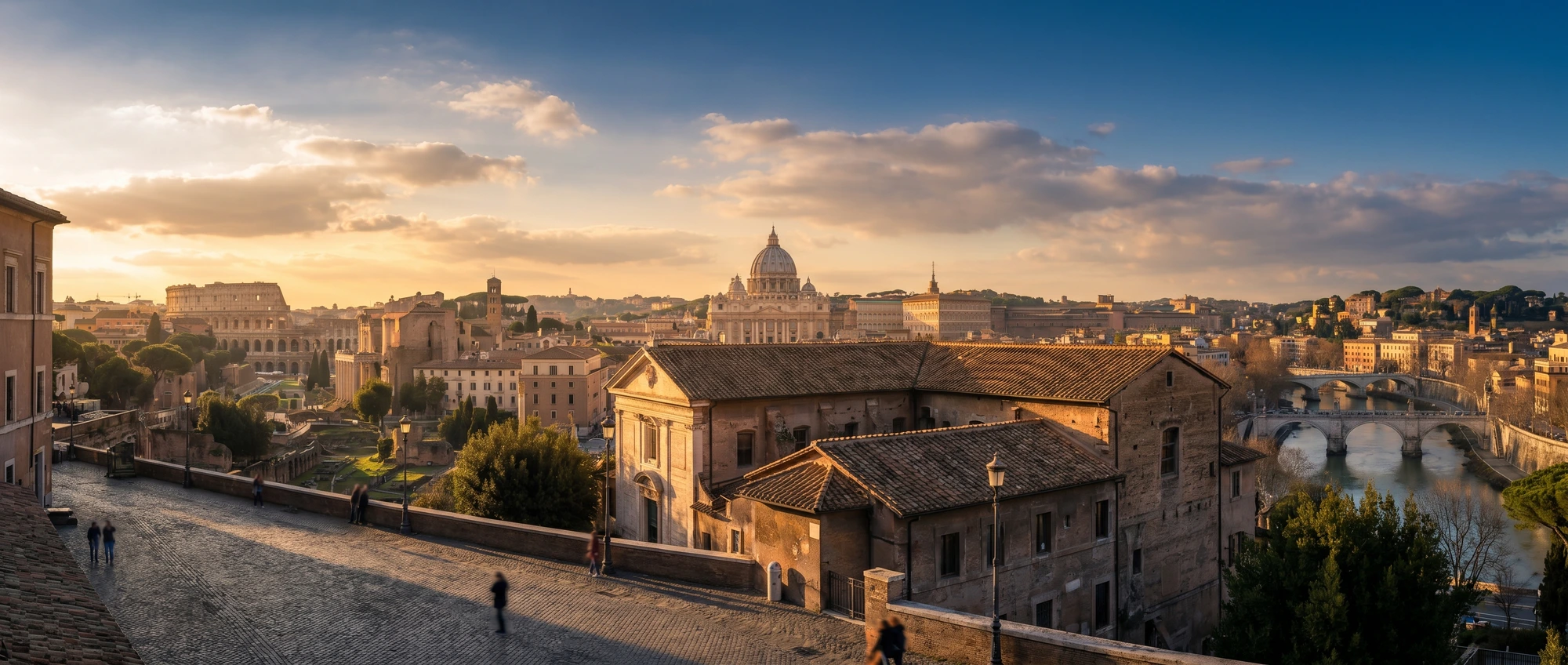
Lazio
Rome
Book the Colosseum, Vatican Museums and Borghese before you fly, stay in Monti or the Centro Storico to walk to the ancient core, and accept that three or four nights won't cover everything.
Best length
3-4 nights
Main airport
Rome Fiumicino (FCO), ~30km southwest; Ciampino (CIA), ~15km southeast for budget carriers
Airport to centre
Leonardo Express ~32 min to Termini; Ciampino coach ~40 min to Termini
Best base
Monti for first-timers; Centro Storico for walkability; Trastevere for evenings
In short
Rome at a glance
Rome works best as a 3- or 4-night city break: stay in Monti or the Centro Storico to walk to the ancient core, book the Colosseum, Vatican Museums and Borghese Gallery before you fly, take the Leonardo Express in from Fiumicino, and accept that you will not see everything in one trip.
The short version
- Stay in Monti for the easiest first trip: walkable to the Colosseum and Forum, one metro stop from Termini, and quieter than the Centro Storico at night.
- Book three things ahead or lose half a day queuing: the Colosseum-Forum-Palatine combined ticket, the Vatican Museums, and the Borghese Gallery (no walk-ins).
- Use the Leonardo Express from Fiumicino for a fixed 32-minute run to Termini; from Ciampino, the Terravision-style coach to Termini is the simple option.
- Walk the historic centre and tap a contactless card for the metro and buses; the €8.50 daily cap means you never overpay, and a hire car is pointless inside the walls.
- Three full days covers ancient Rome, the Vatican and the Centro Storico fountains-and-piazzas circuit, with one slower afternoon for Trastevere or the Borghese.
Rome stacks three thousand years on top of each other in a small, walkable core: the Colosseum and Forum, the Vatican across the river, and a knot of fountains, piazzas and churches in between. The appeal is also the trap — there is far more than any first trip can hold, the headline sights all need timed tickets, and the cafes that ring the Pantheon and Trevi Fountain charge a premium for an ordinary plate of pasta. A good first trip is about booking the two or three things that genuinely need booking, basing yourself within walking distance of the ancient core, and resisting the urge to tick off everything.
Three full days is the practical minimum: one for ancient Rome, one for the Vatican, and one for the Centro Storico walking circuit, with a slower afternoon in Trastevere or the Borghese if you have a fourth night. Monti is the easiest base — quieter than the tourist centre, a ten-minute walk to the Forum, and one metro stop from Termini and the Leonardo Express in from Fiumicino. Choose the Centro Storico only if you will pay premium rates to walk straight onto Piazza Navona; Prati suits a Vatican-first trip, and Trastevere is better for repeat visitors than light sleepers.
Book three things before you fly and skip the rest: the Colosseum-Forum-Palatine combined ticket (from €18), the Vatican Museums (about €25 all-in), and the Borghese Gallery (€18), which has no walk-ins at all. The mistake people make is turning up at the Colosseum on the day and losing half a morning in a queue. St Peter’s is free and needs no ticket — just arrive early or after 16:00 for the security line. From Fiumicino, the €14 Leonardo Express is the simple 32-minute run to Termini; from Ciampino, take the coach. Tap a contactless card on the metro and buses, where the €1.50 fare caps at €8.50 a day, and never hire a car inside the walls. For food, walk two or three streets back from the headline fountains — the same cacio e pepe costs roughly a third less in Monti or Trastevere, and watch for the coperto cover charge. Come in May or October, accept that one trip cannot hold it all, and Rome rewards you for slowing down.
Plan your Rome trip
Keep a first trip focused: book the big timed sights, then leave room for neighbourhoods and food.
Top things to do in Rome
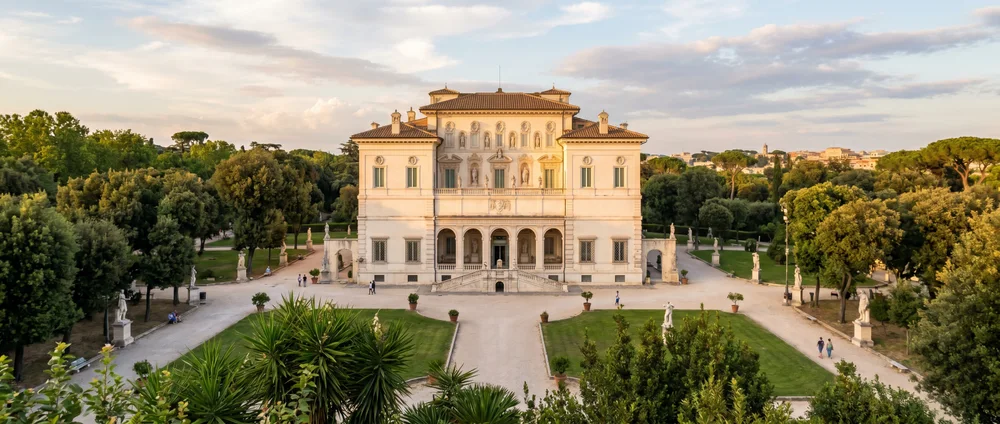
Borghese Gallery
You cannot turn up at the Borghese Gallery — every visit is a pre-booked two-hour slot capped at 360 people, and on-the-day tickets effectively don't exist. The official site only opens slots about 10 days ahead and they sell out within hours in season, so book the moment they appear (or further out via a tour partner). Treat the two hours as a hard stop and go straight for the Bernini sculpture rooms (Apollo and Daphne, the Rape of Proserpina) before the Caravaggio paintings. It is the best-value major sight in Rome for the crowd levels you get.
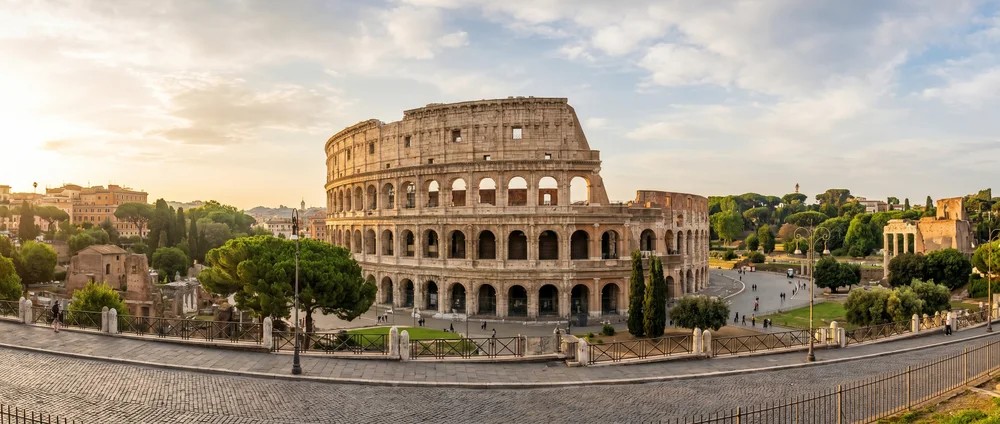
Colosseum
Book a timed Colosseum ticket online before you fly — the standard €18 (about £15.50) ticket is a 24-hour combined pass that also covers the Roman Forum and Palatine Hill next door. Slots release exactly 30 days ahead at 9am Italian time on the official site, ticketing.colosseo.it, and the arena-floor and underground upgrades sell out within minutes in peak season. Ignore the street sellers near the metro: they overprice or sell invalid tickets. Allow 1–1.5 hours for the Colosseum itself, or a half-day if you do the Forum and Palatine on the same pass.
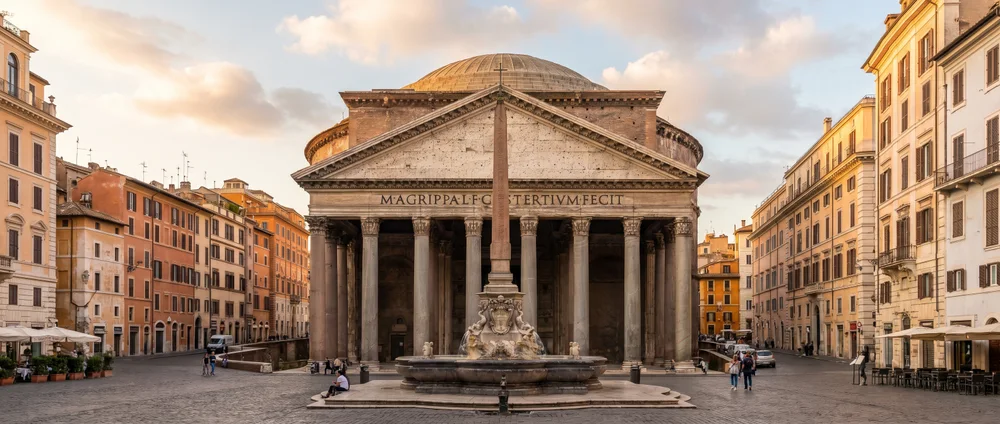
Pantheon
The Pantheon is the one big Rome sight that costs almost nothing and barely needs planning. Entry is €5 (about £4.30) until 30 June 2026, rising to €7 (about £6) from 1 July; under-18s are free and the first Sunday of every month is free for all. You can buy on the day, but a timed ticket via the official Musei Italiani site skips the on-the-day line in peak months. Go in the first hour after the 09:00 opening — by 11:00 the tour groups arrive and the queue across Piazza della Rotonda builds.
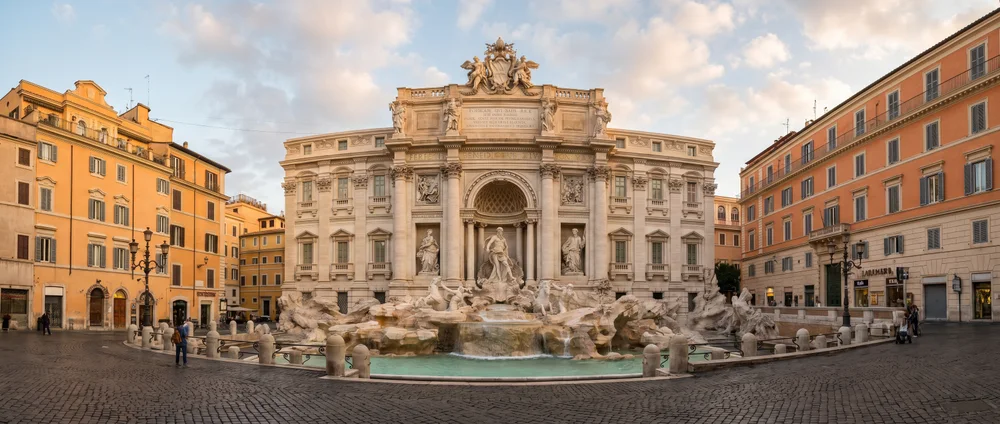
Trevi Fountain
Since 2 February 2026 you pay €2 to step down into the inner perimeter beside the basin — the spot where people line up for the coin-toss photo. Viewing from the upper piazza is still free, and the whole monument is free and unticketed after 22:00. The fountain itself takes ten minutes to see; the real decision is when you come, because midday it's a wall of phones. Go before 08:00 or late at night.
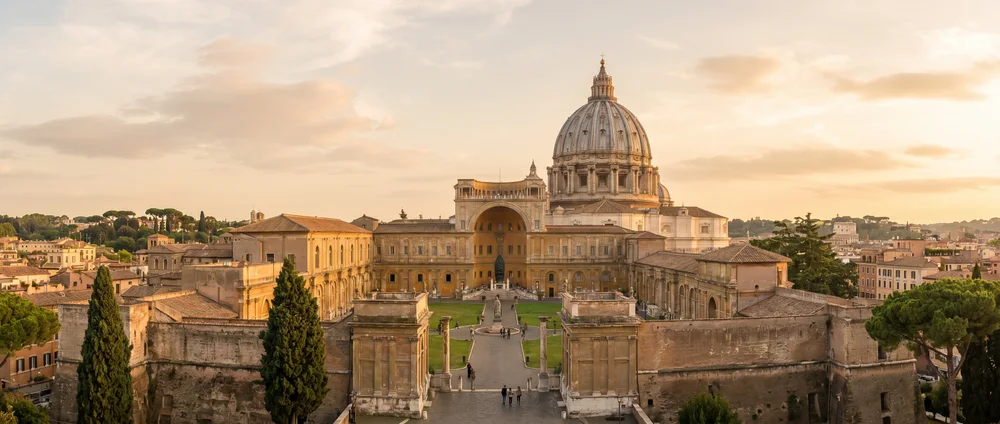
Vatican Museums & Sistine Chapel
Book a timed Vatican Museums ticket online before you fly — slots disappear days ahead in peak months, and the on-the-day line on Viale Vaticano routinely wraps the Vatican wall. The standard route funnels everyone through the galleries to the Sistine Chapel at the far end, so allow about three hours and pace yourself rather than sprinting the corridors. Cover shoulders and knees or you'll be turned away at security, and know that inside the Sistine Chapel photos are banned and silence is enforced.
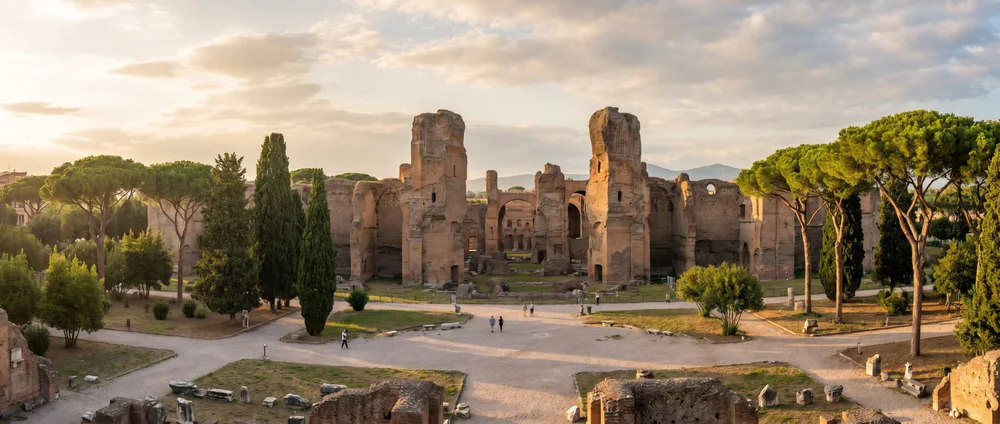
Baths of Caracalla
These are the standing brick shells of Rome's second-largest imperial bath complex, a short metro hop south of the Circus Maximus and far quieter than the central sights. Buy the €8 ticket and walk the ruins for the scale rather than the detail — the mosaics survive in patches, but the 30-metre walls are the draw. Avoid Mondays, when it shuts at 14:00, and skip it altogether if you only have two days in Rome and haven't yet done the Forum or Colosseum.
Every Rome attraction guide
Where to stay first
The areas that make a first visit easier — not an exhaustive directory.
Monti
££ mid-rangeThe best first-timer base: a hilly, slightly bohemian district between the Colosseum and Termini, walkable to ancient Rome and one metro stop from the main station. Good wine bars and trattorias, far calmer at night than the tourist core.
Best for: First-timers, couples, walkers
Centro Storico
£££ premiumThe Pantheon-Piazza Navona-Trevi maze. Unbeatable for walking to the fountains and piazzas, but the priciest area, crowded by day and sometimes noisy at night. Choose it if walkability beats value for you.
Best for: Maximum walkability, short stays
Trastevere
££ mid-rangeCobbled lanes, trattorias and the city's liveliest evening scene across the Tiber. Brilliant for dinner and atmosphere, but limited metro access and loud after dark, so better for repeat visitors or foodies than light sleepers.
Best for: Food, nightlife, atmosphere
Prati
££ mid-rangeSmart, modern grid beside the Vatican, more residential and orderly than the old city. Good restaurants, easy metro, and the quietest of these bases. Ideal for families or anyone who wants the Vatican on their doorstep.
Best for: Families, Vatican-first trips, calm
Airport to city centre
| Option | Time | Cost | Book ahead? |
|---|---|---|---|
| Leonardo Express train (Fiumicino to Termini) | ~32 min | €14 single | Fixed, frequent, no luggage surcharge |
| FL1 regional train (Fiumicino to Trastevere/Ostiense/Tiburtina) | ~30-45 min | €8 single | Cheaper if your hotel is near these stops, not Termini |
| Ciampino coach to Termini (Terravision/SIT-style) | ~40 min | about €7 single | Simplest budget-airline arrival |
| Ciampino Airlink bus + train to Termini | ~hour with the change | €2.70 each way | Cheapest from Ciampino, but slower |
| Fixed-price taxi to the centre | ~40-50 min | €55 from Fiumicino, €40 from Ciampino (set rate inside the ring road) | Good with luggage or late arrivals |
When to go
Sweet spot: April, May, late September and October are the sweet spot: warm, walkable weather for long sightseeing days and thinner queues than the summer peak. May and October give the best light and the most comfortable conditions for the ancient sites.
July and August are hot (often 32-38°C), crowded and tiring on foot, and mid-August's Ferragosto closes many family-run restaurants for a week or two. November to February is cheapest and quietest with the shortest queues, but bring rain layers. Book spring and autumn weekends early because UK city-break demand is heavy.
What it costs
UK return flights to Rome are often £30-£90 outside school holidays when booked a month or two ahead; Ryanair tends to serve Ciampino and easyJet/BA serve Fiumicino. Summer weekends and late booking push fares well past £150. Flight time is about 2h 30m direct.
Daily budget per person
The fastest way to overspend in Rome is eating at the cafes ringing the Pantheon, Trevi and Colosseum. Walk two or three streets into Monti, Trastevere or Prati and the same plate of cacio e pepe costs a third less. Beware the seated cover charge (coperto) on menus.
Book the essentials
Where to stay
Tours & tickets
Airport transfers
Stay connected
Trains & rail passes
Also in Italy

Rome FAQs
How many days do you need in Rome?
Which Rome sights do you have to book in advance?
Is the Leonardo Express worth it from Fiumicino?
Do you need a car in Rome?
Ready to book?
Find hotels in Rome