Kansai
Kyoto
Base in Higashiyama or downtown Kawaramachi for three nights, hit Fushimi Inari and Kiyomizu-dera before the coach crowds, and resist cramming ten temples into a day.
Best length
3-4 nights
Airport
Kansai International (KIX), ~75 min by train; or Itami (ITM) for domestic
Airport to centre
HARUKA named discount ticket to Kyoto: adult ¥2,200 purchased by 31 October 2026/¥2,700 from 1 November; eligibility applies
Best base
Higashiyama for temples; downtown Kawaramachi for central convenience
In short
Kyoto at a glance
Kyoto is best as a 3- or 4-night base: stay in Higashiyama or downtown Kawaramachi, hit Fushimi Inari and Kiyomizu-dera early before the coach crowds, lean on the bus-and-subway day pass rather than taxis, and resist the urge to cram ten temples into a day.
The short version
- Stay in Higashiyama for temple mornings on foot; downtown Kawaramachi if you want dinner, shops and a central transport base.
- Do Fushimi Inari and Kiyomizu-dera before 9am: the same shots an hour later come with a wall of people.
- Skip basing yourself out by Arashiyama or Kyoto Station unless you have a reason; the historic core is where the early starts pay off.
- Take the Haruka express from Kansai airport to Kyoto Station, and buy the foreign-tourist discount ticket online before you fly.
- Three or four temples a day is the honest ceiling before they blur into one; pair a temple morning with a market or garden afternoon.
Kyoto has more temples and shrines than any first trip can absorb, which is the city’s promise and its trap. Try to see them all and they dissolve into one long blur of gravel, gates and tour groups. The job of a good first trip is to choose four or five sights that genuinely repay a visit, get to the busiest of them — Fushimi Inari and Kiyomizu-dera — before the coaches arrive, and balance each temple morning with something else: a market lunch downtown, a garden, or a riverside walk in Arashiyama.
Three full days is the practical minimum. One day works the eastern Higashiyama hills on foot, taking Kiyomizu-dera at opening and walking down through Sannenzaka and Ninenzaka before they clog. One covers the west side with Arashiyama’s bamboo grove and Tenryu-ji garden, then the Golden Pavilion — check Kinkaku-ji’s cash or Omairi Pay admission arrangements. One combines Fushimi Inari early with a no-temple afternoon around Nishiki Market and Pontocho. A fourth night lets you slow down or take the short train to Nara or Osaka.
Where to base yourself comes down to one choice. Stay in Higashiyama if early temple mornings are the point; it goes quiet at night, but you can be among the stones before the crowds. Pick downtown Kawaramachi if you would rather be near dinner, the arcades and the two subway lines. Skip Kyoto Station unless you have an early onward train, and treat Gion as a premium address rather than a practical one.
The common first-timer mistake is over-booking the days: three or four temples is the honest ceiling before they merge. On getting around, this is a bus-and-subway city, not a car one. Tap an IC card for pay-as-you-go, and buy the Subway & Bus 1-Day Pass (about ¥1,100) only on days you will ride four times or more. From Kansai, take the Haruka express to Kyoto Station and check the eligible foreign-passport Temporary Visitor ticket before you fly: adult ¥2,200 for purchases through 31 October 2026, rising to ¥2,700 for purchases from 1 November 2026. Compare the full dated journey with any road-transfer quote. Eat as you walk at Nishiki, save sit-down dinners for downtown, and you will have spent your money where Kyoto rewards it.
Plan your Kyoto trip
Keep a first trip focused: book the big timed sights, then leave room for neighbourhoods and food.
Top things to do in Kyoto
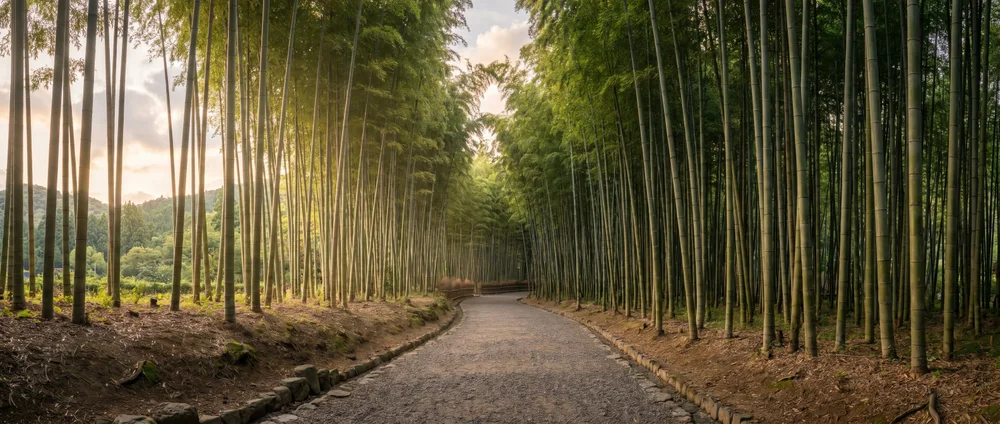
Arashiyama Bamboo Grove
The bamboo grove is a short public-path walk beside Tenryu-ji. Pair it with the temple garden and Togetsukyo Bridge rather than planning a whole day around the lane. Tenryu-ji garden admission is ¥500 for high-school age and older; buildings cost ¥300 extra and close on 29–30 October 2026. Check the separate boat, scenic train or rickshaw product before adding it to the day.
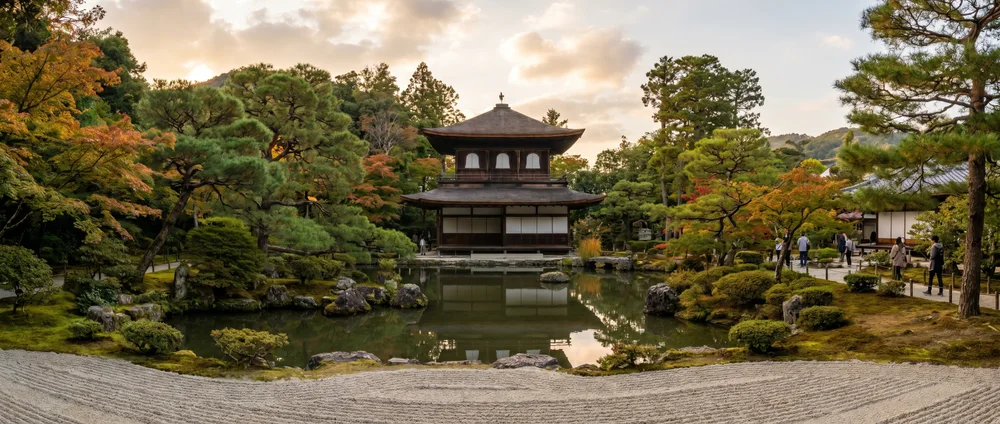
Ginkaku-ji
Ginkaku-ji offers a garden and temple-ground visit in eastern Kyoto. Ordinary admission is ¥1,000 for high-school age and above, with cash and supported cashless payment accepted. Match your arrival to the seasonal hours: the winter opening is later than the summer opening.
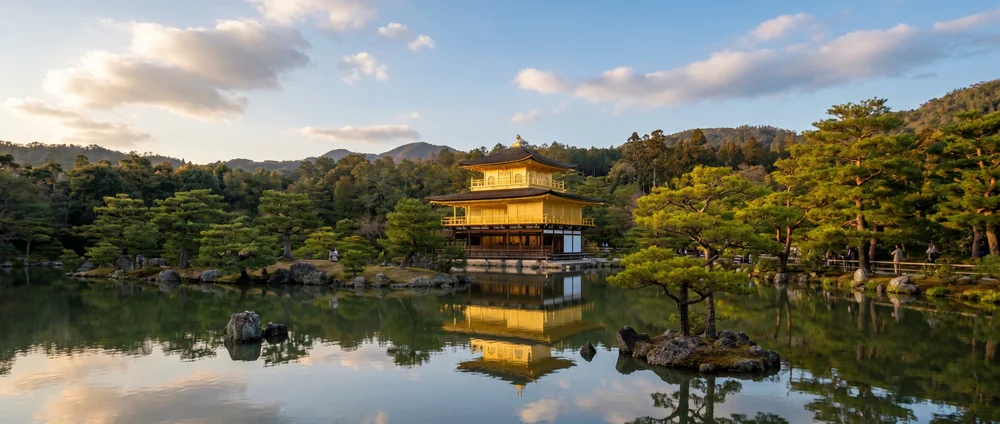
Kinkaku-ji (Golden Pavilion)
Ordinary admission is ¥500 for high-school age and above and ¥300 for elementary/junior-high pupils. Cash and Omairi Pay cashless payment are accepted for admission; charms and goshuin are excluded from that payment statement. The garden path takes you past the pavilion and pond; there is no access inside the pavilion. Check the temple’s visitor guidance before travelling.
Kiyomizu-dera
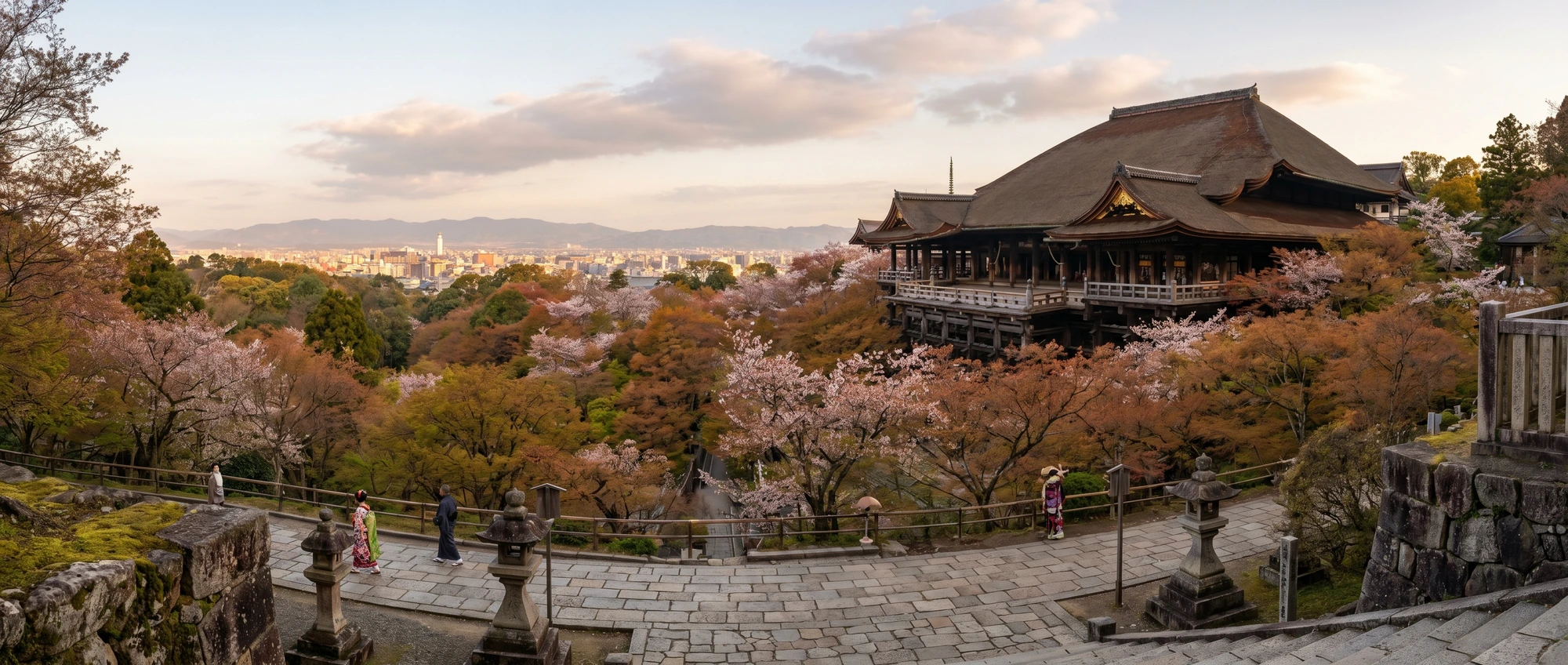
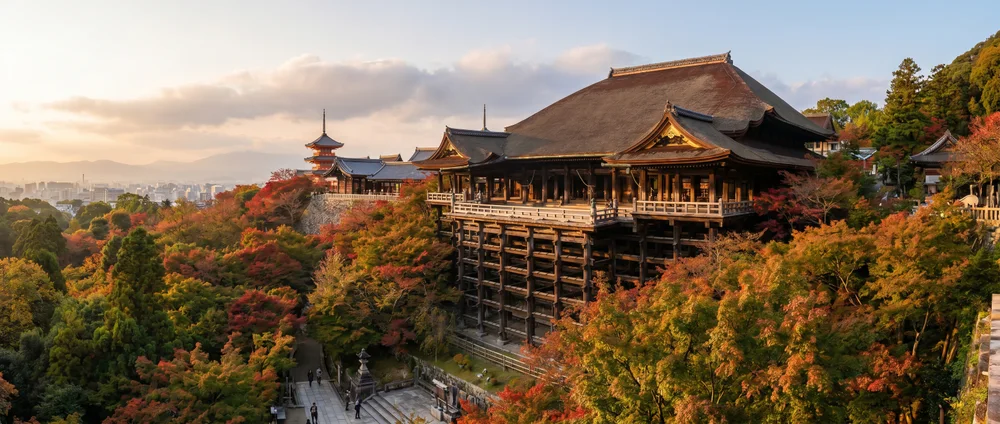
Kiyomizu-dera’s wooden Main Hall stage projects over the hillside with Kyoto below. The temple opens at 06:00; combine it with the Ninenzaka and Sannenzaka lanes on foot. Closing times follow a dated calendar, including extended evening opening on selected spring, August and autumn dates. Check the official calendar before arranging an evening visit.
Nijo Castle
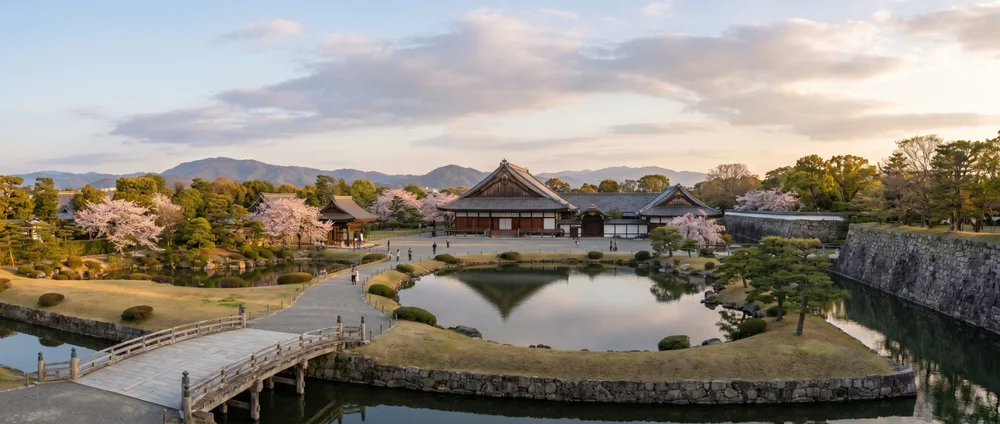
Choose Nijo Castle grounds, castle plus Ninomaru Palace, or a separate reserved Honmaru visit. The palace interiors and grounds have different access calendars. Allow around 1.5 hours for the grounds and Ninomaru, with extra time if adding Honmaru, and check each closure before booking.
Ryoan-ji
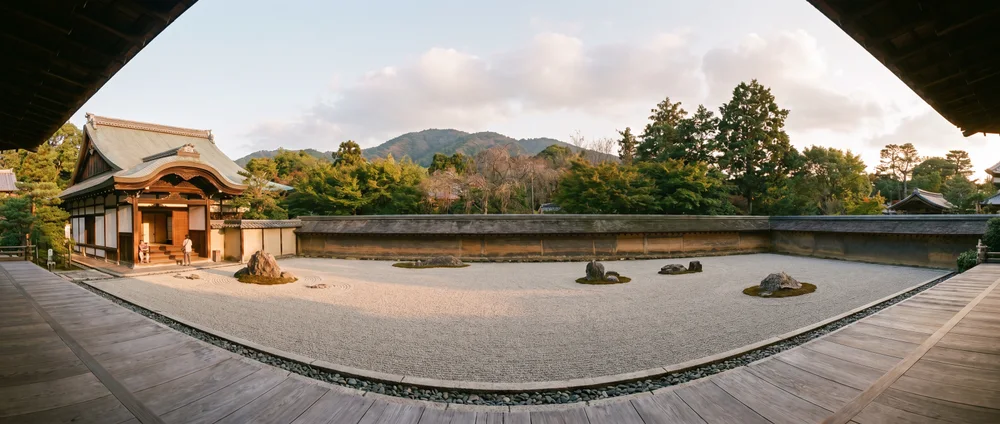
Visit Ryoan-ji for the fifteen-stone dry garden and a slower walk by Kyoyochi pond. The temple lists ¥600 adult admission, ¥500 for high-school students and ¥300 for elementary/junior-high pupils. Opening is 08:00 in March–November and 08:30 in December–February; an early visit is a practical choice for a quieter sit, without a crowd guarantee.
Every Kyoto attraction guide
Where to stay first
The areas that make a first visit easier — not an exhaustive directory.
Higashiyama
££ mid-rangeThe postcard eastern hills: stone-paved Sannenzaka and Ninenzaka, Kiyomizu-dera and Yasaka Shrine within walking distance. Best base if you want to be out among the temples before the crowds arrive, though it goes quiet at night.
Best for: Temple-first trips, early risers, photographers
Downtown / Kawaramachi
££ mid-rangeKyoto's central hub for restaurants, the Nishiki and Teramachi arcades and Pontocho nightlife, with the best transport links for the rest of the city. The easiest all-round first-timer base if you would rather not commute to dinner.
Best for: First-timers, food and shopping, central transport
Gion
£££ premiumThe atmospheric geisha district of lantern-lit teahouses around Hanamikoji, walkable to Higashiyama. Lovely and central, but private lanes are now closed to tourists in places and rooms carry a premium for the address.
Best for: Atmosphere, couples, walkers
Kyoto Station area
££ mid-rangePractical rather than charming: you are on top of the Haruka, the Shinkansen and the main bus terminal, with big modern hotels. Choose it for an early onward train or a short stop, not for evening atmosphere.
Best for: Onward rail, late arrivals, day trips
Airport to city centre
| Option | Time | Cost | Book ahead? |
|---|---|---|---|
| Haruka express (Kansai/KIX) to Kyoto Station | ~75 min | Eligible foreign-passport Temporary Visitor HARUKA One-way Ticket to Kyoto: adult 12+¥2,200 / child 6–11¥1,100 for purchases through 31 October 2026; ¥2,700/¥1,350 for purchases from 1 November 2026. Purchase date determines tariff; this is not the ordinary walk-up fare. https://www.westjr.co.jp/travel-information/en/tickets-passes/oneway/haruka/ | Discount product requires the stated passport/Temporary Visitor eligibility and advance purchase via the listed JRWest channels; take the required passport/payment details for collection. Check the exact train and seat. |
| Airport limousine bus (KIX) to Kyoto Station | Operator estimate Kyoto Station Hachijo–KIX T1 85–90 minutes; terminal 2 connection adds the published terminal time. Allow for traffic and waiting. | KIX–Kyoto Station/Highway Kyotanabe bus: ¥2,800 adult / ¥1,400 child single; adult return ¥5,100 within 14 consecutive days, or ¥4,100 same-day return. https://www.kate.co.jp/en/timetable/detail/KY | Reserve airport-bound journeys; check your direction’s timetable and terminal. Credit cards accepted at the Kyoto Station Hachijo window; other pickup/payment arrangements differ by stop. |
| Itami (ITM) airport bus to Kyoto Station | Itami Airport estimates about 50 minutes to Kyoto Station, plus waiting and traffic; verify the dated departure. | Confirm the current Itami–Kyoto ticket with Hankyu Kanko Bus: https://www.hankyu-kankobus.co.jp/limousine/timetable/K/. Price the actual route separately from the KIX airport bus. | Use Itami Airport’s Kyoto bus stop2 and check the current Hankyu departure and ticket. The airport lists an approximately 50-minute journey; allow for road delays. |
| Taxi from Kansai airport | Airport estimate about 100 minutes to JR Kyoto Station; actual hotel, traffic and waiting affect the journey. | Kansai Airport publishes an approximate JR Kyoto Station taxi total of ¥39,150: ¥34,650 fare + estimated ¥4,500 bridge/expressway tolls. This is an estimate, not a fixed hotel quote; traffic can increase it and 22:00–05:00 fares rise20%. https://www.kansai-airport.or.jp/en/access/to-airport/taxi | Obtain a complete quote for the actual hotel, vehicle, tolls and time of day. The airport’s station estimate is not a universal Kyoto fixed fare. |
When to go
Sweet spot: Late October and November for the autumn colour, and April for cherry blossom, are the headline windows but also the most crowded and expensive. May, June and September give pleasant temple weather with thinner crowds and lower prices.
Kyoto sits in a heat-trapping basin, so July and August are genuinely sweaty and best avoided for long temple days; early June to mid-July is the rainy season. Cherry-blossom and koyo peaks sell out hotels months ahead, so book early or aim for the shoulder weeks either side.
What it costs
Illustrative June 2026 return-economy airfare allowance: £600-£900; this is a historical planning range, not a dated quote. Compare complete UK itineraries to Kansai (KIX) or Itami (ITM), then Kyoto, including connections, baggage, total travel time and onward travel. Use the checked country-route sources and the chosen operator’s dated calendar; a country route does not establish every UK origin or seasonal city service. See /destinations/japan/ and https://www.britishairways.com/content/flights/japan/tokyo.
Daily budget per person
Illustrative historical June 2026 planning model, not a live quote. General daily, meal and accommodation allowances assume adult independent travel; confirm room occupancy and travel dates. Any item with its own dated operator tariff has that narrower scope. Temples are cheap individually, so the real spend in Kyoto is hotels and food, not entry fees. Check each temple’s payment policy: Kinkaku-ji accepts cash and Omairi Pay cashless payment for ordinary admission, with exclusions for charms and goshuin.
Book the essentials
Where to stay
Tours & tickets
Airport transfers
Stay connected
Trains & rail passes
Also in Japan

Kyoto FAQs
How many days do you need in Kyoto?
Where should first-timers stay in Kyoto?
Do you need a car in Kyoto?
Ready to book?
Find hotels in Kyoto